
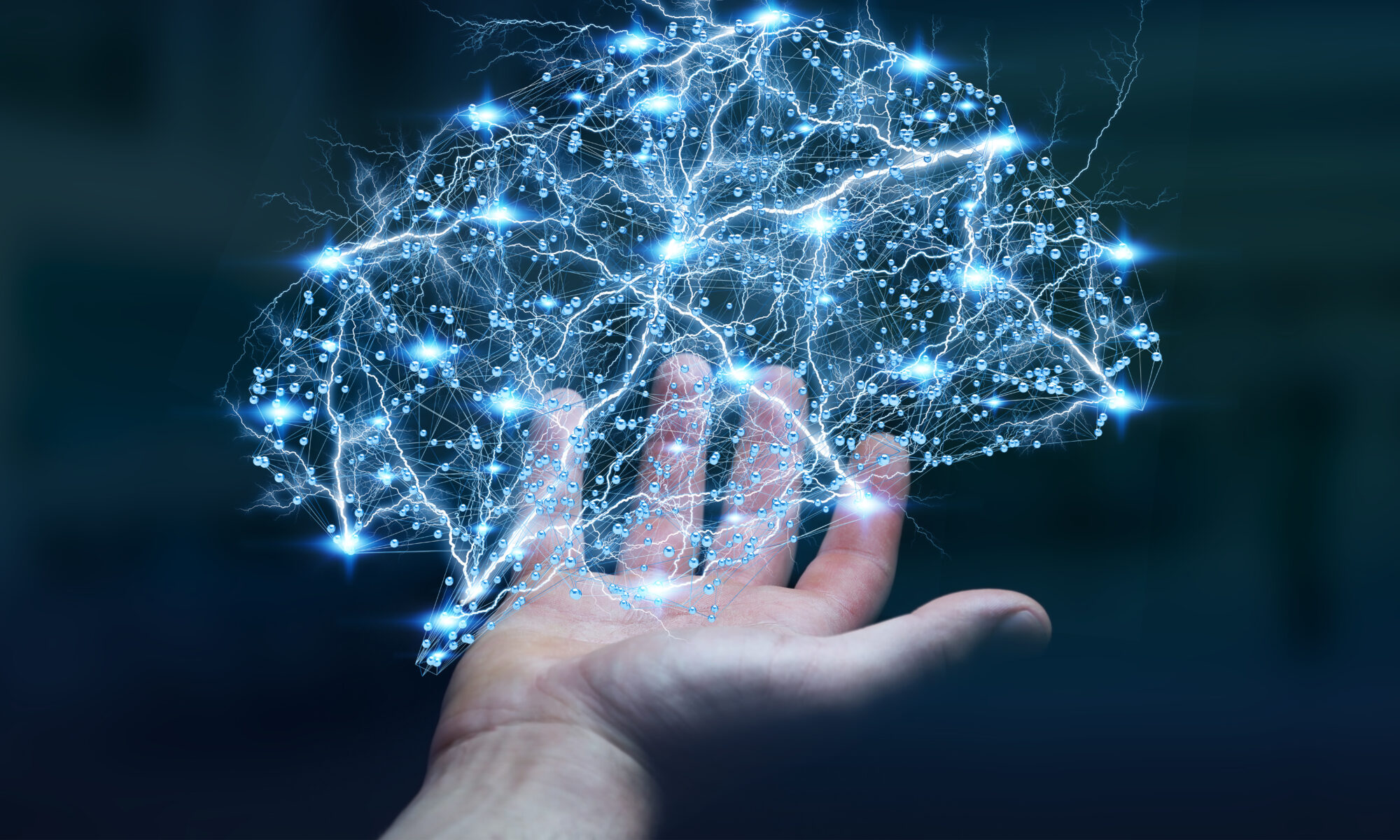
Power of Neuroscience and Neuromarketing

neuroscience and neuromarketing

Throughout human history, countless disciplines have tried to unravel the mystery of human behaviour by using conventional and experimental methodologies. Though, these methods have always been insufficient and inefficacious to correctly interpret the human behaviour, which has a direct link to the working of the brain.

Thanks to the recent advances in science, we can make the best use of brain imaging methodologies to understand the functionality of human brain. This evidence-based research discipline that tackles with the usual and unusual biological responses of the human brain is called “Neuroscience”.

Neuroscience (Brain Research) has developed at an increasing pace within the recent years, and has shed light on the complex mental and emotional processes of human brain. In this context, Electroencephalogram (EEG, brain electrical activity) and functional Magnetic Resonance Imaging (fMRI, brain blood circulation) methods have become the most important scientific tools in neuromarketing and enabled us to measure the brain activity without causing any pain or damage to the subject.

In the last 20 years, thousands of studies have been conducted in normal healthy individuals with both methods, and these studies have created a significant know-how and an accumulation of knowledge on the biological mechanisms that lie behind the attention, perception, learning, emotional arousal and decision-making processes (cognition) of the brain. Neuromarketing is one of the developing application areas of this know-how.

Regarded as the new generation method in today’s marketing world, ‘Neuromarketing’ is the neurological and physiological study that focuses on the subconscious responses of the mind towards various stimuli. In our day, we know by evidence that the subconscious is very effective in decision-making processes of consumers. By utilising this method, we can scientifically measure the subconscious perceptions, tastes, preferences, reactions, and purchasing tendencies of consumers.

By shedding light to darker corners of consumer attitude and behaviour, Neuromarketing provides the opportunity to look at the consumer world from a broad perspective, which constitutes its primary advantage. Technologies such as EEG, Mobile EEG, Eye Tracking, Face-Emotion Matching System and Galvanic Skin Response and Resistance are used for measurements in neuromarketing. The main point that should not be forgotten in the use of the data provided by neuroscience in applied fields such as neuromarketing is that the measurements be carried out with the discipline and precision of scientific research.As we always point out, all these methods should be carried out by neuroscientists. Each study should be modelled as boutique, so that the reliability rate will be 95% and more. The results should be analysed for statistical significance. The studies should be supported by qualitative research to enrich neuromarketing findings. Additionally, these measurements should be fast, practical, up-to-date and accurate. When all these are realised, a neuromarketing study will enlighten the so far obscure consumer attitudes and behaviours, and will show the sides so-far invisible, and will lead marketing strategies with a scientific, holistic and result-oriented perspective.

It would not do just to restrict the neuromarketing studies with sectoral basis.Until recently, only results obtained from conventional research methods were being used to attribute meaning to the popularity of any product used in the promotion and in other research. However, it is quite clear that examining the popularity in this way should always be based on behavioural factors, in other words, it is subjective. Today, we know for sure that there is a need for systematics other than conventional methods in order to reach an objective measurementof a product.

How is neuromarketing perceived in Turkey?

“An elephant comesin the middle of some people who have never seen an elephant in their lives. Some would grab it by the ear and say “this is a bat”, some would grab it by the nose and say “this is a snake”…

Sadly, this phrase reflects the perception of neuromarketing in Turkey. In order to create a difference and attraction, the companies put forward some unscientific definitions and studies that are carried out without adequate measurements/applications in the field of neuroscience, without bothering to learn the essentials.

Neuroscientists and Market Researchers Hand in Hand…

The reality behind the success of neuromarketing and many other disciplines with the prefix “neuro-” is the continuous cooperation between neuroscientists and market researchers without violating the professional boundaries.

In the literature, countless neuromarketing studies, carried out with a cooperation of academic sector and private sector, have resulted with significant success.

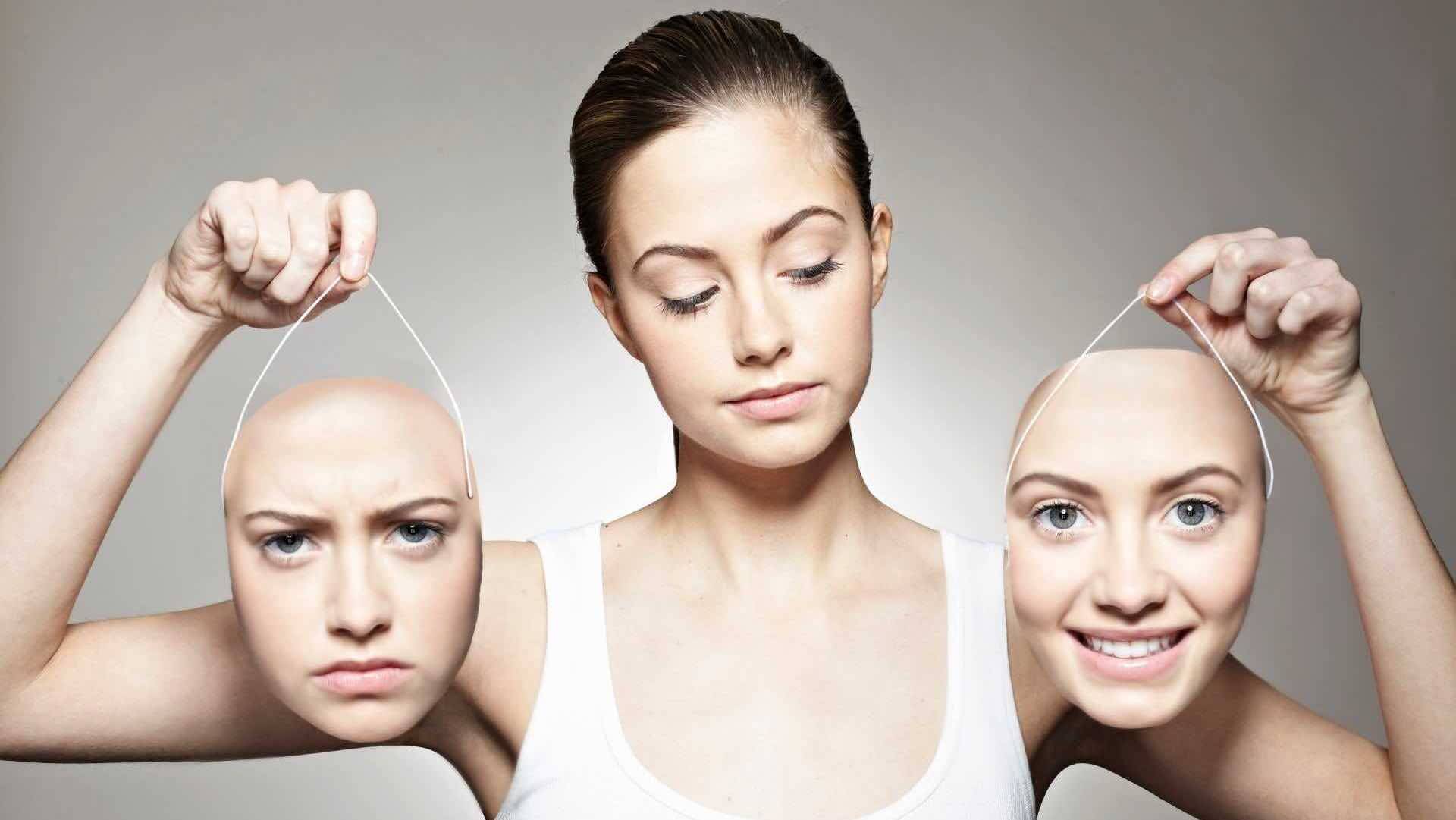
Just Smile…

gülümseme

A famous author and comedian Gülse Birsel famously says “What we call ‘brain’ is in fact a 1.5 kilo of fat and water. Do not take it that seriously. When you laugh, your brain is easily fooled and thinks that everything is in order and naively secretes serotonin. Therefore, smile whenever you can! At the very least, people will believe you are doing great.”

Laughing and smiling are among the fundamental gestures of mankind. Laughing is such a multi-dimensional action that not only physiologists, neurologists, psychologists, sociologists and philosophers are interested in it, but also the authors and artists dabble with it to a great extent.  People may laugh out of happiness, anger, boredom, or just to look sympathetic to others. Whatever the reason is, laughter has a tremendous positive affects to the body and soul.

In this article, we examine the act of smiling at a neuroscientific point of view. There are 2 different types of smiling in the human anatomy, which are the conscious social smile and the real smile.

Conscious social smile involves conscious activation of the labial muscles at the side of the mouth.When we smile, the large labial muscles contract and the lips tighten.The most obvious distinction of a genuine happy smile and a conscious social smile is revealed by the muscle surrounding the eyelid, which is called the orbicularis oculi.This muscle’s primary function is to close the eyelid and it is not activated in the conscious social smile. In social smile, signals are sent from the frontal area of ​​the brain to the motor and premotor areas.Various scientific studies show that even this kind of smile triggers a slight sense of happiness. In other words, even a conscious social smile measures, albeit small, a real sense of happiness.

The description of a real smile has been made by the French neurologist Guillarne Duchenne for the first time.Emotions are transmitted to the facial muscles through the activation of the autonomic nervous system and the deep brain structures, such as the Amygdala, Orbitofrontal Cortex, Anterior Cingulate Cortex and Insula, and are reflected in the face via the movements of facial muscles. In a real smile, the facial muscles cause the lower part of the eyelids to swell and the corners of the eyes to wrinkle, revealing the characteristic lines.The unintentional function of these muscles makes a true heartwarming smile impossible to be produced on conscious demand. In an intimate smile, signals originating from deep brain structures, such as the Amygdala, are conveyed to the motor cortex.A real smile, which includes the movement of both the labial and the ocular muscles, is usually a reflection of a happiness.

Famous Quotes on Laughter and Smile:

“Laughter is the shortest distance between two people.” – Victor Hugo

“One shall not forget the fact that a woman never smiles only with her mouth, but also with her eyes. If her eyes twinkle with joy, a woman is happy.”– Cemal Süreya

“The human race has one really effective weapon, and that is laughter. Because the real enemies we face are pain and sorrow, not each other.” – Mark Twain

“Wrinkles should merely indicate where smiles have been.” – Mark Twain

“The best feeling in the world is to know that you are the reason of one true smile.” – Ayşe Kulin

“Laughter is the tonic, the relief, the surcease from pain!” – Charlie Chaplin

Appeal to the Emotions

acı ve haz

Emotions are not only a set of gestures and movements on the face triggered by the contraction of facial and corporal muscles in certain ways, but they are also the triggered by neurons. There are seven basic universal emotions: fear, anger, joy, sad, hate, disgust, and surprise.

Emotions are formed in our brain. Brain has the most important job to do in emotional mechanisms. Emotions affect cognitive functions, and cognitive functions control emotions. Emotions of people against anything kind of stimuli that they see, voice, taste or feel are actually the responses from the central and autonomous nervous systems.Some scientists claim that these responses are open to genetic tendency, but there is no evidence in the literature on this matter. Facial muscles are triggered by the autonomous nervous system and deep brain structures (i.e., Amygdala, Orbitofrontal cortex, Anterior cingulate cortex and the activation of Insula).

Experiences, experiments and studies reveal and emphasize how effective emotions are in all areas of life today.It is very important that we recognize each other’s feelings so that we can empathize with the people in our lives and predict what their next steps will be.In order to express ourselves to the people around us, we must first be able to understand and express our own feelings.

Today, people’s emotions are analysed through the expression of facial muscles.However, the measurement and analysis of emotions should be carried out by neuroscientists themselves with proper measurement methods that will go into the literature, and statistically significant scores should be reported. Statistical significance means that the commonly feel the same emotion against the stimuli presented to them. It is necessary to evaluate the emotions against each visual/auditory stimulus presented and to make a individualised emotion mapping.

Whatever you do in all areas of life – appeal to the emotions! Facts and figures are never enough, words count up only to a certain point, logic never functions properly… Emotion is required for decision!

On this matter, Antonio Damasio, a Neurology and Psychology Professor at the University of Southern California, says, “We are not thinking machines whoalso feel; we are rather feeling machines who also think”. This seems to change the  cliché “do not involve emotions in  decision-making!”Today, the theory ‘first feel, then do, think last’ is being narrated in the training of individuals, since the emotions create action and trigger decisions.