The Impact of Changing Attention Span in the Brain on Market Research

Technology is widely used in many aspects of life today, and digital devices and services such as computers, smartphones, tablets, social media platforms, etc. contain elements that can constantly demand our attention. However, some negative effects can also be observed due to the overuse or misuse of technology.

Decreased Patience: Technology offers quick results and instant access. This can lead to people having less patience and a reduced ability to focus on activities that require longer periods of effort.

Distraction: Constantly interacting with smartphones, social media and other digital content can negatively affect attention span and reduce concentration.

Information Overload: The internet and digital devices can provide people with too much information, which can overload their brains and negatively affect attention and memory.

Changes in attention span may differ between individuals and these changes may also occur due to technology usage. Maintaining a balance in the use of technology, taking regular breaks and working with apps that improve focus can help reduce the negative effects on attention span.

This has an impact in all areas of life. People’s reduced attention span in tests that have been created in market research can increase the likelihood of inattentive responses. The effectiveness and accuracy of surveys is related to respondents’ attention levels and their ability to respond diligently. During busy time periods, being under stress and variations in attention span can make it difficult for respondents to focus. As a result, they may respond carelessly in surveys.

Careless responding in surveys can affect the reliability and validity of survey results. Attention span is also an important issue for marketers because capturing and maintaining consumers’ attention is critical for increasing sales of products and services.

Neuromarketing methods have an advantage in terms of attention span. Because it focuses on the participant’s biology, not their declaration. It obtains data to understand participant responses by measuring brain activity and evaluating neural responses using brain scanning technologies and behavioral metrics. In this way, it can better understand participants’ unconscious level responses and draw more accurate conclusions. This can reduce the impact of misleading or conscious responses in marketing research that relies on participant self-reports.

Reference:

Psychologist Merve Altındağ

The Aesthetic Brain: What is the Essence of Our Perception of Aesthetics?

In human history, the evolution of intelligence is a major milestone. The evolutionary process has resulted in humans to develop the ability to think, to acquire the ability of abstract thinking and to create complex cultural structures. However, the evolution of intelligence is not limited to the development of practical skills and problem-solving abilities. The role of creative expressions such as music, painting and arts is of great importance in human sociocultural evolution. Human awareness of the phenomenon of aesthetics has also developed along with these fields.

Aesthetics encompasses people’s ability to evaluate and appreciate many things such as beauty, works of art, natural landscapes, music, literature and other visual or auditory experiences. Aesthetic perception guides individuals’ preferences and evaluations of beauty. When something is considered aesthetically pleasing, it means that it has a positive impact on an individual’s emotional, cognitive and even physical responses. This may include visual harmony, symmetry, proportions, colors, patterns, sounds, rhythms and other visual or auditory features in balance and harmony. Aesthetic perception varies from person to person and may also change socially over time.

The processing of aesthetic perceptions in the brain is a complex process and several different brain regions play a role in this process. These are;

Orbitofrontal Cortex: It is a brain region associated with emotional evaluation and reward processing. It plays an important role in evaluating emotional responses such as pleasantness or pleasure in aesthetic experiences. This region can influence the subjective aspects of beauty perception.

Visual Cortex: This is the brain region where visual information is processed. It analyzes information from the eyes and transforms it into shapes, colors, patterns and other visual features. In this way, it contributes to the perception of elements such as visual harmony, symmetry, proportions and patterns in aesthetic experiences.

Hippocampus: An area of the brain involved in memory and memory processing. The hippocampus can play an important role in the formation and recall of memories associated with beautiful things. Emotional connections to aesthetic things and previous experiences can be shaped through memory.

In the light of all this information, there are some common aesthetic perceptions for humanity, but it should be noted that there is not completely universal or fixed standard of beauty. It can be observed that certain aesthetic traits are generally accepted among people.

CONCLUSION: There is a strong relationship between neuromarketing and perception of aesthetics. In order for neuromarketers to better understand consumers and create effective marketing strategies, it will be beneficial to measure aesthetic perception through emotions and take steps towards this. Understanding the impact of aesthetics on consumer behavior is important for strengthening brand image and enabling consumers to establish a more positive connection with the brand.

Reference

Psychologist Merve Altındağ

M. Bhupal, et al. Aesthetics and Evolution: What We Find Beautiful and Why (May 10, 2022). Retrieved July 13, 2023. Retrieved from: https://evrimagaci.org/s/11654

7 Steps on How to Implement EMONET

What is EMONET?

It is a brain-based neuromarketing method. Unlike traditional research methods, it provides precise results within a 95% confidence interval.

With EMONET technology, people’s emotions against any stimulus are measured by brain responses from the central and autonomic nervous systems. These responses are as follows:

– Blood flow in the forehead due to the central nervous system,

– The heart beats faster or slower depending on the autonomic nervous system and the dilation or contraction of the pupils of the eyes in response to the heartbeat,

– Deep brain structures project emotions through facial muscle movements.

How to Develop a Research Design for Facial Emotional State Analysis (EMONET)?

– The brand is listened to in order to understand the deepest distress by receiving a brief from the customer.

– The findings to be obtained are determined.

– Hypotheses, i.e. information to be tested in the study, are created.

– The names and number of emotions to be used in the study are determined.

How is the Sample Determined?

– Participants are found by NeuroMark according to the nature of the project and the brand target audience.

– If no breakdown is requested in the study, a sample group of 8-10 people is sufficient. A minimum of 8 people is required for each breakdown.

– Since each project is a unique study, the sample size and the number of breakdowns are mutually determined according to the target of the project.

How is the Participants’ Preparation and Informing Realized?

– Participants’ e-mail addresses and contact information are obtained.

– Usernames and passwords are determined specifically for each participant.

– Participants are informed by e-mail and phone on the implementation day.

– Introductions are made. Rules and stages are explained. Their questions are answered.

How is the Measurement Process Implemented?

– The study is carried out in the natural environment of the participants through their computer or phone cameras.

– They are logged into the system with the link and username-password sent during the information process.

– First, Personalized Emotion Analysis is performed. In other words, the emotions of the person are measured from their own situation.

– Then, the visual or auditory stimuli that the brand wants to be measured are shown to the participant.

– During these screenings, the participant is followed by the device camera and data is collected for facial emotion analysis.

How is the Data Analysis Process Performed?

– Scores belonging to different emotional states are processed by our analysis team and analyzed to reveal statistical significance.

– Emotion analysis is performed and graphs and videos are created. These values are shared with our communication and reporting team.

How is reporting and presentation done?

– Emotional state findings from our neuroscience team are analyzed by our communication and reporting team, and statistically significant scores are reported.

– A Powerpoint presentation is prepared and the resulting neuromarketing findings are strengthened by combining them with the results obtained through in-depth interviews.

– The results are supported with parameters, graphics and videos and presented to the brand.

The Importance of Body Sensations and Measurements in Marketing

Body sensations describe different sensory experiences in our body. Humans use sight, smell, taste, touch and hearing to perceive life and the environment. These perceptions allow us to understand and respond to environmental stimuli.

Body sensations may vary between individuals. Each person’s experience and perception of the senses is unique. For example, some people may react more sensitively to a loud sound, while others may react more intensely. Today, body sensations are actively measured in many areas of everyday life to provide quality information.

At the University of Turku in Finland, a study was conducted with the measurement of the sense of sight. The researchers focused on how watching visual art affects our emotions. A total of 1,186 people from different countries participated in the study and were asked to evaluate the emotions evoked by more than 300 works of art. The results of the study;

Professor Lauri Nummenmaa: “The bodily sensations evoked by the art contributed to the emotions, and the stronger the body’s response to the artwork, the stronger the emotions the person experienced.” The findings revealed how aesthetic experience can affect the body’s emotional response.

Conducting research by measuring body sensations gives us high reliability. Again, measurements facilitate many important issues from scientific research to marketing methods. In the world of marketing, understanding an individual’s sensory experiences and finding appropriate solutions for specific needs is one of the cornerstones, while body sensation measurement technology can provide data on the perceptions and sensations of each individual’s unique experience.

As a result, measuring body sensations can be an important tool in the world of marketing. Scientists have been rigorous in this regard. However, it is of great importance to use these measurements in accordance with ethical guidelines and to protect the privacy rights of the participants. Ignoring these sensitivities may cause problems in the long run. For this reason, it is useful to work with researchers who take ethical principles into consideration.

Reference:

Psychologist Merve Altındağ

“Bodilyfeelingsandaestheticexperience of art” byLauriNummenmaa et al. Cognition&Emotion

Emotions Affect Memories, Memories Affect Consumption Preferences…

We have entered the summer season… “In the dark days of winter I learned that there is an endless summer in me.” Albert Camus

During the summer months, dopamine levels rise for many people around the world. For most people, summer is a time when they feel more energetic, lively and positive emotions due to the sunny and warm weather. Outdoor activities, vacations, social environments support people to be more active. People experience not only psychological but also behavioral and cognitive changes. People remember their memories more clearly during the summer months and the intense emotions during these months have an impact on memories.

In a study published in Nature Human Behavior on January 16, 2023, Joshua Jacobs, associate professor of biomedical engineering at Columbia Engineering, and colleagues identified a neural mechanism in the human brain that influences information with emotional associations for improved memory. The team observed high-frequency brain waves in the amygdala, which is involved in emotional processes, and the hippocampus, a center active in memory processes, through emotional stimuli.

The study found that emotional experiences have a strong impact on memory. Memories with emotional content were generally remembered more strongly and longer, while neutral or mundane memories were quickly forgotten. This memory effect may enable the recall and evaluation of meaningful experiences in everyday life and in many areas of life.

When we delve deeper into the memory processes of emotional experiences, we need to briefly identify a number of factors and brain mechanisms. These are

Strong encoding: Emotional stimuli strengthen the connections between nerve cells in the brain, resulting in stronger memory traces.

Stress Hormones: These hormones can trigger the release of chemicals. Triggering can facilitate the transfer of memories to long-term memory.

Reaction Context: Emotional experiences are remembered with a rich reaction context. For example, the emotions felt during the experience add more depth and meaning to the event and memory. This context is remembered during recall and revitalizes memory traces.

In the light of this information, we say that the relationship between the emotions that arise against the stimuli encountered and memories is valuable for the world of neuromarketing as it is in all areas of life. Neurological and physical measurements show that the levels of emotion felt and emotional connections enable brands to leave a deeper impact on consumer brains and increase consumer loyalty. Therefore, brands should strive to understand their users’ emotions, offer emotional experiences that are relevant to their target audiences, and strengthen emotional connections.

CONCLUSION: Summer offers brands significant opportunities, as experiences during these months create clear and emotionally charged memories. In terms of brands’ advertising efforts, summer-themed advertising campaigns can have the power to take place in the long-term memory of consumers for many years. Moving forward with scientific resources and discoveries will provide convenience in the marketing world as it provides benefits in all areas of life.

Reference

Psychologist Merve Altındağ

“Neuronalactivitythehumanamygdalaandhippocampusenhancesemotionalmemoryencoding” by Salman E. Qasim et al. Nature Human Behavior

The Role of Artificial Intelligence in Market Research

Market researchers play a crucial role in collecting, analyzing and interpreting data to provide meaningful insights and recommendations to businesses. While AI can help automate certain tasks and processes, it cannot fully replace the skills and expertise of market researchers.

Here are the main reasons why market researchers continue to be valuable:

– Contextual Understanding: Market researchers bring contextual understanding to data analysis. They have domain knowledge, industry expertise and a deep understanding of market dynamics, providing nuanced insights beyond what AI algorithms can offer.

– Complex Decision Capability: Market research involves making complex decisions based on data analysis. Market researchers are skilled at synthesizing various data sources, interpreting results, and identifying patterns or trends that may not be easily visible. This requires critical thinking, problem solving and strategic decision-making capabilities that AI currently lacks.

– Human Connection: Market research often involves interacting with customers, conducting interviews, focus groups or surveys. Market researchers can build rapport, ask probing questions and gather qualitative insights that go beyond what can be captured through automated processes. Human relationships and empathy play a vital role in understanding consumer behavior and preferences.

– Creative Thinking: Market researchers often need creative thinking to design research studies, develop innovative methodologies and generate new insights. While AI can help analyze data, it still relies on human creativity to ask the right questions, develop research approaches and interpret findings in a meaningful way.

– Ethical Considerations: Market research involves handling sensitive data and ensuring ethical practices. Market researchers are often adept at complex ethical considerations such as obtaining informed consent and ensuring and maintaining confidentiality. They can also identify potential biases or limitations in collecting, analyzing or interpreting data, which is crucial to providing accurate and reliable information.

SUMMARY: While AI can support market researchers by automating certain tasks and providing data-driven insights, the human element remains vital in market research. Market researchers will continue to be valued for their ability to provide contextual understanding, complex decision-making, human connection, creative thinking and ethics. The future of market research lies in human use of AI as a tool to increase their capabilities and efficiency.

Reliable Methods of Neuromarketing in Election Research

These days, the word “election” is at the center of our lives. We almost go to bed with the election and get up with the election in our minds… While those of us living in Turkey are interested in every aspect of the election, the results of the election surveys are also on the agenda of the media.

In last week’s article, we talked about the power of Neuroscience in election studies. In today’s article, we will talk about the methods of neuromarketing that provide high reliability in terms of results in election research.

What is Election Research for?

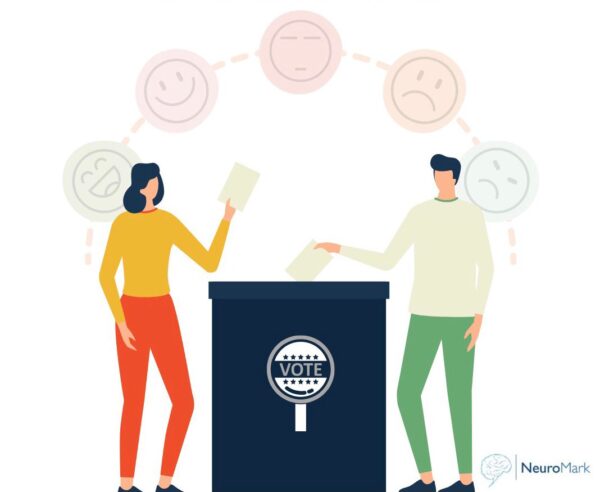
Election research is conducted to understand the voters because it is the voter on the street who makes the final decision. The aim of the studies in this field is to reduce risk in the decision-making process. Reducing risk is only possible by increasing the reliability of the results.

Election surveys;

Ø By asking direct questions, the reasons underlying voter behavior cannot be explained sufficiently and voters cannot be aware of their own behavior,

Ø It is a field where situations in which people cannot express themselves well or refrain from explaining themselves are investigated.

In Turkey, election studies conducted with traditional research methods partially enlighten the public and the parties, guide them and enable them to take the necessary positions. However, in a world where people cannot think what they feel, cannot express what they think properly due to various reasons such as fears, hesitations and embarrassments, and do not do what they have expressed, it is necessary to enrich and support election studies conducted with traditional methods with neuromarketing in order to crown them with reliable results. Because neuromarketing is one of the most advanced technologies we have today to explore new worlds and is the power of science in the field of research. The main advantage of the neuromarketing method is that it offers the opportunity to look at the consumer world from a wide perspective by shedding light on the parts that remain in the dark in consumer attitudes and behaviors. Thus, it is possible to see what is invisible in traditional research and to direct election strategies with a scientific, comprehensive and result-oriented perspective.

Let’s take a look at which Neuromarketing Technologies would have been used and in which ways if neuroscience had been used along with traditional research methods in the May 14th elections.

Ø In traditional surveys, the explicitly expressed voluntary evaluations of the participants would be compared with the measurements in the cognitive processes of neuroscience and it would be examined whether there are differences between the voters’ ‘verbal expressions’ and their ‘brain waves and emotions’. Thus, it would be determined whether voters directly express what they think or whether they make different discourses due to the influence of environmental factors, i.e. family, close environment and groups.

Ø The main methods to be used were as follows:

– Electroencephalogram (EEG): In this method, changes in brain electrical activity that occur during cognitive processes would be measured with electrodes placed on the scalp.

– Eye Tracking System: With the eye movement tracking technique, it would be determined where the person was looking and what they were interested in in the stimuli to be tested. Eye movements and the state of the pupil during these movements would be recorded along with the heartbeat.

– Emotional State Analysis: People’s behavior is brain-based. In this method, people’s emotions in response to presented stimuli (visual or verbal) would be measured by brain responses from the central and autonomic nervous systems.

– Electrodermal Activity (EDA): The body’s responses to instantaneous stimuli would be recorded and skin stimulation and heartbeat would be detected. The most important parameter that emerged here would be the feeling of ‘excitement’.

– In-depth Qualitative Interviews and Group Discussions: To complement and enrich the neuromarketing findings, they would be conducted at the beginning or at the end of the study.

CONCLUSIONS: From past to present, various disciplines have tried to solve the mystery of human behavior using experimental and traditional methods. However, it has been observed that these methods are limited in providing findings to understand the functioning of the brain, which is the source of human behavior. In order to eliminate this limitation, the research discipline that examines the usual and unusual biological responses of the human brain was named “Neuroscience”.

In this way, the missing piece of the puzzle was completed with “Neuroscience research” and the results obtained enabled strategic decisions to be made clearly and precisely on a scientific basis!

If results with a much higher reliability rate than traditional research methods are to be obtained in election research, it is necessary to include Neuromarketing Methods in which the findings obtained are not open to estimation nor interpretation but are presented clearly within scientific limits and with statistical significance.

Reference Simin Demiriş

Neuroscience Gains Strength in Election Research

‘Neuroscience’ is one of the most advanced technologies we have today to explore new possibilities in a world where people cannot think what they feel, express what they think and do what they say.

Neuromarketing studies under the umbrella of neuroscience can be seen in all areas where people’s decision-making processes play a role and this creates life, from brands to political parties. Neuromarketing is used in political election research to learn about voters’ subconscious reactions and emotions towards different candidates, campaign messages and political issues. With increasing experience, developing technology and new techniques, it is certain that neuromarketing studies will be much more effective in the coming years and will reveal unexplored truths.

NeuroPolitics, as it is known in the literature, is used in the field of political communication. Rhetorical and profile analyses conducted on voters offer a level of detail that cannot be obtained with traditional research methods in terms of revealing emotional interactions without asking them. From this point of view, it is a fact that neuropolitical research will develop more in the coming years all over the world, as long as it is provided by experts.

A review of election campaign archives reveals that presidents and prime ministers in various countries have used neuroscience in their campaigns to scan people’s brains, bodies and faces in order to increase their emotional resonance with voters. It is possible to measure voters’ brain waves with Electroencephalogram (EEG), skin stimulation and heartbeat with Electrodermal Activity (EDA), facial expressions and emotions with Emotional State Analysis.

We can give the following examples of such studies;

– In Mexico, the Institutional Revolutionary Party (PRI), of which Enrique Peña Nieto is the president, used these technologies of neuromarketing in its 2012 presidential election campaign. According to a consultant, Nieto’s party has been using facial coding for some time to select the best candidates. Some officials have openly stated that they use these techniques not only in election campaigns but also when they are in government.

– Francisco Olvera Ruiz, governor of Hidalgo, Mexico, and a member of the ruling party says “In our government programs, we use various neuropolitical technologies to evaluate the effectiveness of our communications and messages,” and adds “Neuroscience is especially valuable for us to get a more accurate and objective view of what people think, perceive and feel.”

– In Mexico, Emotion Research Lab used cameras on digital billboards to analyze audience reactions so that the campaign could quickly change the message. Inside the billboard was a camera with a special algorithm that could read emotions such as happiness, surprise, anger, hate, fear and sadness. With feedback from the camera, the campaign’s message – images, sounds or words – could be changed to messages that voters liked better.

– In Colombia, President Juan Manuel Santos’s re-election team in 2014 won the election by working with a neuromarketing firm that also worked with the Mexican government.

– Neuromarketing consultants say they have conducted such research in Argentina, Brazil, Costa Rica, El Salvador, Russia, Spain and, to a lesser extent, the United States.

– Poland’s Prime Minister Ewa Kopacz and her party Civic Platform worked with a neuromarketing company ahead of the parliamentary elections.

– In Turkey, former Prime Minister Ahmet Davutoğlu worked with a neuromarketing firm during the June 2015 elections. Various techniques such as brain wave monitoring, eye, face, skin and heartbeat monitoring were applied to volunteers in laboratories in Istanbul.

The findings of the neuroscience studies can be listed as follows:

Ø In elections, the politician’s continuously making a name for himself/herself and being visible in various media increases his/her recognition by voters and increases his/her voting capacity over time.

Ø Being different and exciting always increases voter awareness.

Ø Appealing to emotions is the best way to influence consumers. Most people make decisions emotionally rather than cognitively.

Ø Politicians who talk about how bad the opponent is without developing a unique communication style are always doomed to remain in the second plan.

Ø It is necessary to use a clear and simple language in political communication. Mixed messages do not attract people’s attention and are forgotten over time. Especially messages that try to mobilize people and have clear goals are the first key to a correct communication. An effective message is one that is perceived within 5-7 seconds.

CONCLUSION: When traditional research methods are applied, voters may be reluctant, unconscious or unable to express how they really feel about a candidate. However, when neuromarketing technologies are used, precise, clear and subconscious data increases the quality of election studies and ensures that they are reliable within the limits of science.

Is A Strong Mind Possible with Neuroplasticity?

What is neuroplasticity?

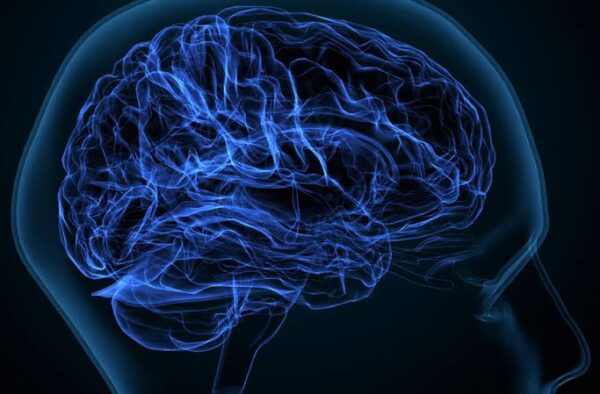
Our brain that is between our ears, weighs an average of 1300 to 1400 grams and is the most complex system known in the universe: “The number of neurons in the brain is around 100 billion, at least as many as the number of stars in the Milky Way Galaxy.”

Neuroscience, which is the result of the coordinated work of the fields of psychology, psychiatry, neurology, biology and engineering, is at the forefront of research into the human brain’s decision-making processes, social interaction and emotions. In recent years, neuroscience has gone through a scientific golden age. This is largely due to the incredible discoveries about neuroplasticity.

Neuroplasticity or brain plasticity is the brain’s natural ability to adapt and change in response to internal and external stimuli. Our brain can change its functions and even its physical structure to react to inputs from events, experiences, thoughts and even human emotions. Previously, scientists assumed that the brain is finite and that we are born with a few billion neurons that do not regenerate. Scientists also believed that these brain cells slowly die over time and that because they are not regenerated, we die too.Luckily, we now know that this is not true.

Recent research has debunked these notions and people have learned that the brain is malleable and changeable.

Today we know that the brain can reorganize neural pathways, make new connections and even regenerate neurons. Neurons are nerve cells that serve as the building blocks of the brain and the entire nervous system. All of this happens naturally and depends on what we do with the gray matter we have as evolving beings. Neuroplasticity is quite remarkable when we think about all the possibilities and changes it can bring to our body and life in general. It is also a fascinating area of research because it allows us to understand how our brain can reorganize itself to create new synaptic pathways.

Everyone is familiar with the idea that if you exercise your body, your muscles and cardiovascular system can improve, making you fitter and better able to exercise. In a nutshell, this is also what your brain does when it is stimulated.

How is Neuroplasticity Different from Physical Strengthening?

Comparing the gains from brain and physical exercise is actually not a very accurate examination. This is because, although the effects are similar in principle, there are some fundamental points where they are very different. The biology of the brain and central nervous system is built to adapt much more efficiently than muscle cells do. This happens in surprisingly complex ways.

Not only does our brain develop new brain cells like muscles – a process called neurogenesis – but our neurons can also structurally reconnect to form new networks for further connections. These networks are vast – there are about 100 trillion connections between our neurons! By increasing myelin, a coating around neuron connections, our brain cells can increase the speed at which they communicate with each other. This increases their electrical efficiency, allowing neuron signals to move at a higher speed across networks. Over time, unused neurons can be cut back through a process called synaptic pruning, optimizing our brain’s resources. In the first years of our lives, our brains undergo an enormous amount of pruning, much like Michelangelo creating a masterpiece from a piece of marble. A recent discovery shows that this process also occurs in old age. The overall activity of our brain can adapt by speeding up or slowing down our brain waves. For example, being mentally alert requires faster brain waves. Research shows that brainwave changes can be sustained over time.

In short, the exercise our brains do has the potential to adapt much more quickly and robustly than the effect on our muscles, and with much longer-lasting changes. In fact, the latest neuroscience research is increasingly showing that conditioning our brains can have transformative effects on human performance and quality of life.

The Brain’s Power to Adapt

Even today, there is an operation called hemispherectomy that baffles neuroscientists. It is performed in life-threatening situations, such as severe epilepsy, where literally half of a person’s brain has to be cut out. In theory, this surgery should be devastating for the brain because each half of the brain manages very different functions, such as controlling one side of the body. However, it turns out that until the teenage years, when half of the brain is removed, the other half has the ability to transform itself into an entirely new left-right brain.

The brain essentially rebuilds itself functionally without any external help, sensing every change and quickly adapting to every situation. Given this incredible adaptation and reorganization of the brain, it seems that patients with brain damage of any kind have a much better chance of living completely normal lives. Exactly how this is possible is still unclear, but the potential implications of neuroplasticity promise neuroscientists an exciting area of research in human evolution for the future.

“The greatest structure in the universe is neither black holes nor celestial dynamics… but the human brain.”