The Impulsive Brain and Buying Behavior

Hello, in this week’s article we will examine the relationship between an impulsive brain and buying behaviors. Impulsivity refers to uncontrolled and unplanned behavior that an individual does suddenly and without thinking, often without control. Such behaviors are driven by strong internal impulses and cause the person to act without considering the long-term consequences or effects.

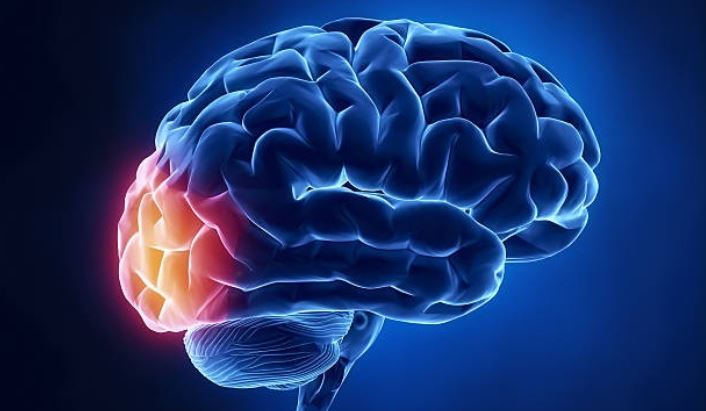
In the brain, impulsive behaviors take place in the areas of the prefrontal cortex and limbic system. The prefrontal cortex is the brain region involved in impulse control and planning. Dysfunctions in this area can lead to impulsive behavior. The limbic system is the brain region involved in emotional responses and the reward system. If this system is overactive, it can trigger impulsive behaviors. The primitive brain has a significant impact on buying behavior.

Basic instincts such as survival and reproduction trigger buying behaviors. The primitive brain works on survival instincts and these instincts are activated to secure basic needs such as food, water, shelter. Therefore, purchases that meet basic needs, such as grocery shopping, are often influenced by the primitive brain. It also governs instincts related to reproduction and the continuation of the species. Therefore, products that fulfill the need to look attractive or find a partner (fashion, cosmetics, perfume) are often purchased under the influence of this brain.

Basic emotions such as fear and anxiety are associated with the impulsive brain and behavior. The primitive brain can be particularly influential when consumers purchase security products (insurance, security systems) and health products (vitamins, health insurance).

Group behavior also influences consumer impulsive buying behavior. The concept of influencers in social media today is a good example of this. It governs the need for belonging and social acceptance. Therefore, purchases made to adapt to the environment or to feel belonging to a group (popular brands, trending products on social media) may be influenced by the primitive brain.

Today’s lifestyles push us to be more impulsive. Individuals suddenly consume sweets or junk food even though they are not hungry, or suddenly buy a product before they need it. This may initially seem beneficial for brands, but in the long run, as self-control and self-esteem decline, the individual questions their actions and ultimately becomes a criminal. The self often finds it difficult to take responsibility. For this reason, the individual resorts to blaming brands and cutting the connection with the brand. In the light of all this information, brands mastering the working principle of the brain or getting support from experts in this field can ensure a more secure bond between the consumer and the brand.

Reference: Psychologist Merve Altındağ

Yigit, A. G., & Govdere, B. (2021). Kompulsif satın alma davranışına genel bir bakış. Business and Economics Research Journal12(3), 717-730.

The Impact of Eid on Our Emotions

Holidays offer an important opportunity to see our family and loved ones, whom we neglect in the hustle and bustle of busy city life. Experts emphasize that spending time with our loved ones by going out of the routine habits of holiday visits positively affects our mental health. In addition, holidays contribute to people coming together emotionally, intellectually, joyfully, discursively and in action. This special period of time increases feelings of love, respect, peace, brotherhood, happiness and sharing, while reducing selfishness, self-interest and separation.

Older generations know and experience that traditional holidays emphasize human values and solidarity. Therefore, we may realize that today we are in greater need of such unifying, loving and tolerant characteristics. Families and parents with this awareness strive to ensure that their children continue the traditions of the holiday and pass them on to future generations. Sharing common values gives us the joy and happiness of being together.

Holidays are moments when being human and being in unity and solidarity as a society are embodied. With this characteristic, holidays reduce selfishness, self-interest, division and disagreement, while increasing feelings of love, respect, peace, brotherhood, happiness and sharing.

Eid is often a time when many different emotions and feelings arise. These can include joy, happiness, excitement, peace, gratitude and unity. Holidays are often associated with positive emotions as they offer the opportunity to come together with loved ones, to share, help and be together. However, in some cases, more complex emotions such as longing, sadness or nostalgia may also arise, especially for those who have lost loved ones during the holidays. To summarize, the emotions felt during Eid may vary depending on everyone’s personal experiences and circumstances.

Eid also reinforces the sense of trust in society. Thanks to the collective feelings, individuals in a community feel safe. Thanks to these feelings, challenging emotions and situations such as anxiety, stress, sadness and rush, which we frequently encounter in daily life, are balanced. As a result, holidays have important biological, psychological and sociological effects.

As Neuromark family, we wish you a happy and healthy Eid with your loved ones.

Reference: Psychologist Merve Altındağ

Yüksel, G. (2011). Kastamonu’da dini bayramları kutlama gelenekleri ve bu geleneklerin insan ilişkilerine etkisi. Akademı̇k Bakiş Dergı̇sı̇, 26, 1-26.,

Neuroscientific Foundations of Consumer Brand Loyalty-3

In this week’s article, we will continue to talk about the components of brand loyalty. In our previous two articles, we focused on the neuroscientific foundations of brand loyalty. In particular, we mentioned that customer brand perception is based on empathy. Empathy is not just about understanding and sympathizing with another person; it is also about forming a bond with that person.

Concepts such as mirror neurons and empathy are prominent in ensuring consumer loyalty. For example, when brands create content similar to consumers’ lifestyles, this can activate their mirror neurons. Positive experiences and memories with the brand create an emotional bond with consumers. We also talked about the importance of rewards and customer brand habits in brand loyalty.

In this article, we will focus on the role of brand appeal and attention-grabbing in brand loyalty. When we see something attractive or encounter a stimulus that grabs our attention, our brain releases dopamine. This makes the experience rewarding and makes us want to encounter the same stimulus again.

The limbic system is known as the center of our emotional responses. Attractive and attention-grabbing stimuli often elicit strong emotional responses. These emotional responses can help us form a positive association with a brand. For example, emotional commercials can create brand loyalty by capturing the viewer’s heart.

Again, visual and auditory stimuli are one of the most effective ways to attract attention. Our brains naturally respond to certain types of stimuli, such as moving images and loud sounds. Such stimuli activate the attention centers of the brain and allow the message to be delivered more quickly and effectively.

As a result, neuromarketing focuses on understanding consumers’ brain activity and emotional responses and using this information to increase brand loyalty. This enables brands to better understand consumers and build stronger emotional bonds with them.

Reference: Psychologist Merve Altındağ

ERGE, S. S. E. A. (2012). Marka güveni, marka memnuniyeti ve müşteri değerinin tüketicilerin marka sadakati üzerine etkisi. Yaşar Üniversitesi E-Dergisi7(26), 4455-4482.

ŞAYLAN, O., & TOKGÖZ, E. (2020). Marka güveni ve marka sadakati ilişkisinde marka özdeşleşmesinin düzenleyici rolü. Business & Management Studies: An International Journal8(1), 144-163.

Kalyoncuoğlu, S. (2017). Markaya duyulan güven ile marka sadakati ilişkisinde marka aşkının aracılık rolü: Starbucks markası üzerine bir araştırma. Journal of Tourism & Gastronomy Studies5(4), 383-402.

Neuroscientific Foundations of Consumer Brand Loyalty-2

In our previous blog post, we touched upon the neuroscientific foundations of consumer brand loyalty. In particular, we emphasized the role of empathy and mirror neurons. In this week’s blog post, we will focus on the cognitive foundations of consumer loyalty. We will also provide detailed information about the strategies used to ensure customer loyalty. In his research, Oliver developed a four-stage model of the customer loyalty process. According to this model, customers develop a cognitive loyalty in the first stage, then they move to the emotional stage. Then they reach the behavioral loyalty stage and finally move to the action loyalty stage (Oliver, 1999: 35).

First of all, reward actions are very important in ensuring customer loyalty. Rewarding, which is considered as a motivator that directs customers to repeat desired behaviors, is an important strategy for businesses in establishing and maintaining long-term customer relationships and thus creating customer loyalty.

Rewarding is associated with brain chemicals. Dopamine is also associated with expected rewards. The anticipation of a reward can increase dopamine levels, which makes a person more likely to engage in certain behaviors to increase the chances of winning a reward. customers can be rewarded in many different ways. For example, discount coupons can act on the customer’s reward mechanism. The release of dopamine not only creates the immediate feeling of reward, but also plays an important role in learning and motivation processes. Again, motivation to buy may increase for the reward. The brain learns which behaviors are rewarding and is motivated to repeat them.

Another customer loyalty component is customer habit. Here, the customer’s comfort zone, especially about the product and brand, comes to the fore. The comfort zone is determined by the individual’s daily routines and habits. Seeing the brand in the comfort zone, despite the unknown of another product or brand, usually provides low stress and anxiety for the customer. Again, the comfort zone provides a sense of security. The brain is better at managing familiar and predictable situations. We will focus on the behavioral phase of customer loyalty in an upcoming blog post.

Reference: Psychologist Merve Altındağ

Bayuk, M., & Küçük, F. (2007). Müşteri tatmini ve müşteri sadakati ilişkisi. Marmara Üniversitesi İktisadi ve İdari Bilimler Dergisi22(1), 285-292.

Keleş, E., & Çepni, S. (2006). Beyin ve öğrenme. Journal of Turkish Science Education3(2), 66-82.

Üngüren, E. (2015). Beynin nöroanatomik ve nörokimsayal yapısının kişilik ve davranış üzerindeki etkisi. Uluslararası Alanya İşletme Fakültesi Dergisi7(1).

Neuroscientific Foundations of Consumer Brand Loyalty

Brand loyalty is when customers continue to prefer the same brand even when other brands offer similar products or services. Customers not only continue to interact with and shop from that brand, but also associate their positive emotions with it.

Brand loyalty has a lot to do with how customers perceive your brand, their actions and values. It is also an important way to help maintain customer loyalty and increase repurchase rates. Again, brand loyalty focuses on customer perception and can also be thought of as emotional loyalty. Customer brand perception can be based on empathy. Empathy is not only about understanding and sympathizing with another. It is also being able to establish a bond with the other. This is based on mirror neurons.

Mirror neurons are neurons that play a critical role in many areas such as social cognition, empathy, language development and motor learning. These neurons form the basis of human interactions and social bonds by helping us understand, imitate and learn from other people’s actions and emotions. Research on mirror neurons has led to important findings in many fields such as neuroscience, psychology and education, and their functioning contributes to a better understanding of human behavior and mental processes. In particular, it lays the foundations for social behavior and cooperation. Understanding the intentions and actions of others helps us build effective interactions in society. The fact that brands appeal to emotions and reach consumers with emotion-oriented efforts can be positively received by the consumer. Mirror neurons are also responsible for imitation and identification.

For example, when brands create content similar to consumers’ lifestyles, this can activate the consumer’s mirror neurons. Positive experiences and memories with the brand create an emotional bond with consumers.

As a result, concepts such as mirror neurons and empathy come to the fore in ensuring consumer loyalty. Understanding the neuroscientific foundations of the consumer will provide many advantages from consumer loyalty to brand success. This can be easily determined with the tools in neuromarketing. Especially emotion analysis can be very useful in this regard.

Reference: Psychologist Merve Altındağ

G.Rizzolatti,I.Craghero: The mirror-neuron system. Annu Rev Neurosci, 27,169-192.

AŞKIN, N., & İpek, İ. (2016). Marka Aşkının Marka Deneyimi ile Marka Sadakati Arasındaki İlişkiye Aracılık Etkisi. Ege Academic Review, 16(1).

Şahin, Ö. (2007). Marka sadakatini etkileyen faktörlerin belirlenmesi ve tüketiciler üzerinde bir uygulama (Master’s thesis, Sosyal Bilimler Enstitüsü).

Advantages of Neuromarketing for Qualitative Research

Scientific research is knowledge production activities carried out with the aim of increasing the current level of knowledge and improving the quality of life in situations that people can perceive through their five senses. Various scientific research methods are used to produce knowledge for this purpose. Scientific research can be carried out with many different methods. These methods include ontological, epistemological and methodological approaches and paradigms, and each of them has different systems in data collection, data analysis and data evaluation processes. Qualitative research methods are among the types of scientific research.

Qualitative research is a type of research based on data collection methods such as observation and document analysis. It represents the process of analyzing events and findings in a holistic manner in a realistic environment. Neuromarketing is a discipline that combines neuroscience and marketing to better understand consumer behavior and decision-making processes. The field uses brain imaging techniques (fMRI, EEG), eye tracking, biometric measurements and other neuroscientific tools to study people’s reactions to marketing messages and products. Neuromarketing offers certain advantages to qualitative research. For example, while traditional research provides general trends and demographic data from large audiences, neuromarketing helps to understand the neurophysiological reasons behind this data. For example, it can determine which part of an advertisement attracts attention or which features of a product elicit an emotional response. Again, while traditional methods are often used to measure the impact of marketing strategies and campaigns, neuromarketing is used to optimize these strategies and make them more effective. For example, by identifying which parts of an advertisement generate more emotional response, more focus can be placed on those parts of the advertisement. Neuromarketing also reduces errors due to subjective responses and social desirability bias. Consumers sometimes say things they don’t really feel under social pressure or to make themselves look good. Neuromarketing minimizes such biases. As a result, the two fields complement each other with their different approaches.

Reference: Psychologist Merve Altındağ

Yücel, A., & Coşkun, P. (2018). Nöropazarlama literatür incelemesi. Fırat Üniversitesi Sosyal Bilimler Dergisi28(2), 157-177.

Neuromarketing and Ethics

The field of marketing, where human behavior and emotions are at the forefront, is constantly changing. It is becoming increasingly difficult to understand the psychology of the consumer and to observe their reactions in daily life. New marketing fields are constantly emerging for this purpose. Neuromarketing, where marketing and science have recently come together, is one of the biggest indicators of this. As a synthesis of neuroscience and marketing disciplines, neuromarketing uses neuroscientific techniques to understand consumer behavior, preferences and reactions. Every neuromarketing study is a carefully crafted piece of research, with a strong emphasis on scientific content. Research in this field is conducted with high data reliability and methodological rigor.

However, despite the reliable data it provides, neuromarketing is still at the center of ethical debates.

Approaching the ethical debate on neuromarketing from different angles, some critics argue that these techniques aim to manipulate the human mind and are therefore harmful, while supporters argue that understanding people’s decision-making processes and knowing the factors that influence them does not mean controlling them.

The important point is to ensure that participants have sufficient knowledge about the way these methods are applied and their content. What is important here is to determine under what confidentiality rules and to what extent company officials use the information they obtain from the subjects. This is because the use of technology reveals the inner workings of the human brain. This enables the comparison of consumer reactions in research using traditional methods with the results obtained in research using science. In this way, the real feelings and thoughts of the consumer are determined by their reactions under certain conditions, and accordingly, messages are tried to be created to influence certain points in the brain.

Especially with technological advances, many people advocate the robust data provided by neuromarketing in tracking the constant changes in consumers’ purchasing tendencies and its contribution to meeting the needs of businesses. In addition, it is stated that neuromarketing, which enables accurate measurement of consumer preferences, facilitates the strategic decision-making processes of businesses and provides an advantage by reducing deviation rates compared to traditional marketing methods.

Reference: Psychologist Merve Altındağ

AKIN, S. M., & SÜTÜTEMİZ, N. (2014). Nöropazarlama ve Uygulayicilarin Perspektifiyle Etik Yönü. Business & Management Studies: An International Journal, 2(1), 67-83.

Değirmen, G. C., & ŞARDAĞI, E. (2016). Nöropazarlama uygulamalarının etik bağlamında değerlendirilmesi. Akdeniz Üniversitesi İletişim Fakültesi Dergisi, (25), 140-160.

Tunalı, S. B., Gözü, Ö., & Özen, G. (2016). PAZARLAMA VE REKLAM ARAŞTIRMALARINDA NÖROPAZARLAMA ÜZERİNE YAPILMIŞ ARAŞTIRMALARIN İNCELENMESİ VE ETİK BOYUTUNUN TARTIŞILMASI. Kurgu, 24(2), 1-8.

Common misconceptions about neuromarketing

With the acceleration of technological advances, visible changes are taking place in the structure of society in the 21st century. These changes have a direct impact on consumers’ behavior and purchasing decisions. This new structure leads to significant changes in consumers’ preferences, shopping habits and brand loyalty. This situation requires businesses to adapt their marketing strategies and adapt to technological innovations.

The success of neuromarketing is based on the statistical evaluation of the data obtained by combining neurological and motivational physiological techniques in the most appropriate way. However, there are some issues that neuromarketing is not fully known or even misunderstood.

First, neuromarketing uses scientific research to understand the natural responses of consumers’ brains. But that doesn’t mean it has to be manipulative. Ethical neuromarketing respects people’s needs and preferences and uses these techniques to better understand them. In other words, neuromarketing methods do not manipulate consumers or brands.

Neuromarketing focuses not only on understanding consumer behavior, but also on the design and delivery of products or services. This can ensure that products or services actually meet the needs of consumers. Not only marketers but also scientists can develop and manage neuromarketing methods. In fact, one of the indispensable elements of a proper neuromarketing study is the involvement of experts in the process.

In addition to advertising, neuromarketing encompasses various marketing elements such as product packaging, website design, product placement and pricing. All of these elements influence the functioning of consumers’ brains and their purchasing decisions. Again, in neuromarketing, not only visual stimuli but also auditory stimuli can be studied.

Most large companies utilize neuromarketing methods. Small businesses can also benefit from these strategies. Especially in the field of digital marketing, it has become easier to apply the principles of neuromarketing.

In summary, neuromarketing is based on objective data, not subjective data. This provides serious time savings in project processes.

Reference: Psychologist Merve Altındağ

Tüzel, N. (2010). Tüketicilerin Zihnini Okumak: Nöropazarlama ve Reklam. Marmara iletişim dergisi, (16).

Yücel, A., & Çubuk, F. (2013). Nöropazarlama ve bilinçaltı reklamcılık yaklaşımlarının karşılaştırılması. Niğde Üniversitesi İktisadi ve İdari Bilimler Fakültesi Dergisi6(2), 172-183.

Evolution of Taste Tests

The food and beverage industry strives to understand and manage consumers’ reactions. At the same time, businesses aim to gain competitive advantage by developing new flavors or changing the taste of existing products. Taste research dates back to ancient times to determine the taste of foods. Especially during the Roman and Ottoman Empires, tasters or taster’s were employed to take precautions against poisoning attempts. Today, food and beverage manufacturers and pharmaceutical companies are conducting research to find flavors that suit consumers’ palates. Flavor perception is interpreted and formed in the frontal region of the brain’s nervous system, particularly in the area called the frontal operculum. Taste preferences are shaped in the brain’s nervous system because of the influence of an individual’s past experiences with delicious and unpalatable tastes. Human taste discrimination tests are usually conducted with professional taste panelists or consumers. Professional taste panelists usually participate in taste testing in in-house laboratories or outdoors. Consumers, on the other hand, can participate in taste testing outdoors, usually at stands set up in grocery stores or in restaurants, evaluating the taste of newly added dishes.

When taste testing, humans or bionic devices are used. There are various types of taste tests. These are tests conducted by professional taste panelists or trained individuals. Products are evaluated and scored according to certain criteria. These tests are used to assess product quality and in the product development process. Tests conducted with the participation of consumers trained in a specific subject. For example, tests conducted with individuals trained in coffee taste can be used to evaluate coffee products. Again, participants are asked to choose between two different products. These tests can be used to evaluate new formulations or product changes.

On the other hand, taste tests are conducted with neuromarketing methods. Taste tests can be combined with neuromarketing techniques when used to understand consumers’ perception of taste. For example, during a taste test, participants’ brain activity can be monitored using neurological imaging techniques such as fMRI (functional magnetic resonance imaging) or EEG (electroencephalography). In this way, a deeper understanding of how participants perceive, like or dislike products can be gained. Again, using facial recognition analysis, participants’ facial expressions can be analyzed to gain insight into how they perceive the products. Analyzing emotional reactions such as happiness, surprise, disappointment, etc. can play an important role in evaluating the effectiveness of products. In conclusion, the sense of taste, which is a very important criterion for the food industry today, can be measured with different methods. By analyzing biological reactions with neuromarketing methods, objective results can be reached.

Reference: Psychologist Merve Altındağ

Bellizzi, J. A., Martin, W. S. (1982). e inuence of national versus generic branding on taste perceptions. Journal of Business Research, 10(3), 385–396.

Ustaahmetoğlu, E. (2015). Tat Algısı için Dilden Daha Fazlası mı Gerekli? Tat Testi Üzerine Bir Uygulama. Anadolu Üniversitesi Sosyal Bilimler Dergisi, 15(3), 127-134.