7 Ways to Increase Sales with Neuromarketing Techniques

People tend to make decisions based on the behavior and preferences of others. Therefore, using elements of social proof such as customer reviews, user experiences and success stories can instill trust in consumers. Our brains tend to make decisions based on whether others trust a product or brand. Practice Tip: Feature customer reviews on your website and share user experiences.

With FOMO (Fear of Missing Out) Strategies, the brain’s reward system is activated to avoid missing opportunities. The “Fear of Missing Out” strategy, known as “FOMO”, accelerates purchasing decisions by creating situations such as time-limited offers or stock limitations. This method is effective in increasing sales by utilizing the brain’s tendency to avoid risk. Application Suggestion: Organize limited-time discounts or limited stock campaigns to create a sense of urgency.

Emotions play a powerful role in decision-making processes. Neuromarketing uses elements that trigger consumers’ emotional responses. In particular, advertising and content that evokes emotions such as happiness, fear or curiosity can strengthen brand perception. For example, telling an emotional story or making customers experience a specific emotion can positively influence purchase decisions. Practice Suggestion: Focus on storytelling in ads, and try to create an emotional connection with sincere and empathetic messages. Discounts stimulate the brain’s reward center and increase consumers’ buying tendencies. Concrete offers such as “50 percent off” trigger the brain’s perception of opportunity and become attractive. However, if the discounts are of limited duration, this effect is even stronger.Implementation Suggestion: Run special discount campaigns in certain periods and announce these campaigns with effective visuals. Sensory marketing enables consumers to have sensory experiences with a brand.

Sensory stimuli such as smells, sounds and textures increase brand memorability. The brain strengthens memory in connection with sensory experiences, which can increase brand loyalty. Implementation Suggestion: Use pleasant scents in your store or add attention-grabbing sound effects in your ads.

These techniques can be effective in driving sales using the opportunities offered by neuromarketing. Adapting each method to suit your brand and target audience ensures maximum efficiency.

Reference: Psychologist Merve Altındağ

BALLI, A., DEMİR, S., & TOLON, M. NÖROGİRİŞİMCİLİK.

Ballı, A., & Aycı, A. (2021). Nörobilim yaklaşımıyla girişimcilikte farklı bir boyut: Nörogirişimcilik. Avrupa Bilim ve Teknoloji Dergisi, (22), 184-194.

The Power of Stories: Touching the Consumer’s Heart with Neuromarketing

The human brain has been sensitive to stories for thousands of years. Throughout history, humanity has found meaning through stories, drawing pictures on cave walls, telling myths and passing down stories from generation to generation. In the modern world, brands have realized that storytelling is one of the most effective ways to build strong bonds with their consumers. But why are stories so powerful? The answer lies deep inside our brains: neuromarketing. Before we focus on the relationship between these two unique fields, let’s define storytelling. Storytelling is the art of conveying an event, experience or idea to people in an effective and engaging way. It is both an ancient form of communication and a powerful way to create emotional and mental engagement.

When we listen to a story, our brains not only follow the events; we also begin to live them. The emotions felt by the characters change our brain chemistry and draw us deeper into the experience. Neuromarketing research using MRI scans shows that both sensory and emotional areas of the brain are activated when listening to a well-crafted story. So, instead of just listening to a brand, when we are drawn into a story, we form an emotional connection with that brand.

For example, think of a coffee brand. Saying “we make the best quality coffee in the world” provides information but does not leave an impact. But a story that tells the story of a small farm where that brand’s coffee beans are grown, where farmers carefully pick each bean, and where a father shares that coffee with his children in the early hours of the morning, takes us to another level. It is no longer just coffee, it becomes an experience. This story activates the reward center of our brain and allows us to identify with the brand. In this context, a successful neuromarketing strategy enables brands to tell consumers a story, rather than just selling them a product. The metaphors, emotional moments and characters used in storytelling cause the brain to release the hormone oxytocin. Oxytocin increases emotions such as trust and empathy and helps to develop positive feelings towards the brand. A consumer who internalizes a brand’s story begins to see that brand not just as a product but as a lifestyle.

Neuromarketing, combined with storytelling, enables brands to create deep emotional connections with consumers. People are naturally drawn to stories, so brands can inspire consumers through storytelling, building loyalty and trust. In today’s competitive world, brands that offer emotional experiences beyond products gain a permanent place in consumer minds and hearts through stories.

Reference: Psychologist Merve Altındağ

Ramsden, A., & Hollingsworth, S. (2017). Hikaye anlatma sanatı. translator: Ali Bucak, İstanbul, İletişim Publisher.

Çalışkan, S. (2021). Reklam Filmleri ve Hikaye Anlatıcılığı. Literatürk Academia.

Cultural Neuromarketing

Cultural neuroscience can be defined as the effort to explain the neuroscientific basis of the human mind’s ability to create social and cultural evolution.

Although the brain is born with a certain structure, it is an organ that changes, shapes and learns as a result of environmental and cultural experiences. This feature, called brain plasticity, helps us understand how the brain is shaped by cultural experiences. Cultural differences cause individuals to have different cognitive processes, perceptions and experiences based on social interactions, leading to different activation patterns in certain areas of the brain.

In Western societies, people tend to think more individualistically and analytically. Western individuals perceive in a more isolated way, focusing on the characteristics of an event or object. The prefrontal cortex of the brain is more active to process this analytical thinking.

In Eastern societies, individuals are often more focused on their environment, groups and relationships. People in these societies have a holistic way of thinking, meaning they see things more holistically and pay more attention to contextual factors. Neuroscience research has found that the brains of individuals raised in Asian cultures show more activity in areas such as the parietal lobe to process the broader visual and social context.

Neuromarketing research shows how cultural differences influence consumers’ neuroscientific responses to products and services. In Western cultures, advertising campaigns that emphasize individual achievement and authenticity can be effective, whereas in Eastern cultures, messages related to community cohesion, harmony and traditions may be more effective. In Western cultures, advertising campaigns that emphasize individual achievement and authenticity may be effective, whereas in Eastern cultures, messages associated with community cohesion, harmony and traditions may be more effective. The relationship between cultural differences and neuroscience explains how the brain adapts and is shaped by environmental and social factors. Neuromarketing can use this relationship to develop more effective strategies because consumers’ decision-making processes are tightly linked between neuroscientific underpinnings and cultural contexts. Culturally sensitive marketing strategies can better target consumers’ perceptions and generate stronger results for brands.

Reference: Psychologist Merve Altındağ

Tanrıdağ, O. (2015). Sosyal Nörobilim. Nobel Tıp Kitabevi.

Mutafoğlu, M., & Psikolog, U. Otobiyografik Bellek ve Kültür İlişkisi.

Examples of Neuromarketing in the World

Neuromarketing, with the help of various brain imaging techniques, analyzes the activity of neurons in the brain at the decision-making stage of people, and quantifies the degree and reason for the reaction to the stimuli subjected. At the same time, by integrating the techniques into sales and marketing, it enables marketing strategies to become more effective. Neuromarketing, which analyzes the subconscious reactions of consumers, offers significant advantages by creating a common language in sales processes.

Companies use neuromarketing studies in the advertising analysis of their brands. Advertising activities are carried out in line with the analysis outputs and the purchasing behavior of the consumer is observed. With this method, advertising budgets that cannot be used effectively can be created in a way that can give a direct message to the target. The design, content, objects, theme, color and making the advertisement watchable by the consumer can be constructed with neuromarketing studies.

IKEA organizes its store layouts according to neuromarketing techniques. It optimizes product placement by observing how consumers move around the store, which products they pay attention to and where they pause. This allows customers to notice more products and spend more time shopping.

Hyundai has used neuromarketing research to improve its car designs. By measuring consumers’ brain activity, they analyzed what emotions certain features of the car design evoked. With this data, they integrated features that people found more appealing into their cars.

Apple is another company that has successfully used neuromarketing to strengthen its brand image. Brain imaging studies have shown that the same areas of the brain (areas associated with emotional connection and admiration) are activated when consumers see Apple products. Apple’s ads and store designs are designed to create an emotional connection with the consumer.

Google uses neuromarketing techniques to understand users’ eye movements and attention points. This allows it to optimize search engine results pages (SERPs) and place ads more strategically by identifying which areas users pay more attention to. With these methods, they were able to increase advertising efficiency.

These examples show how neuromarketing is a powerful tool for brands to both understand consumer behavior and optimize their marketing strategies.

Reference: Psychologist Merve Altındağ

Salman, G. G., & Perker, A. G. B. (2017). Dünya’da ve Türkiye’de nöropazarlama çalışmalarının incelenmesi ve değerlendirilmesi. Avrasya Sosyal ve Ekonomi Araştırmaları Dergisi4(3).

How Neuromarketing Techniques Facilitate the UX Process?

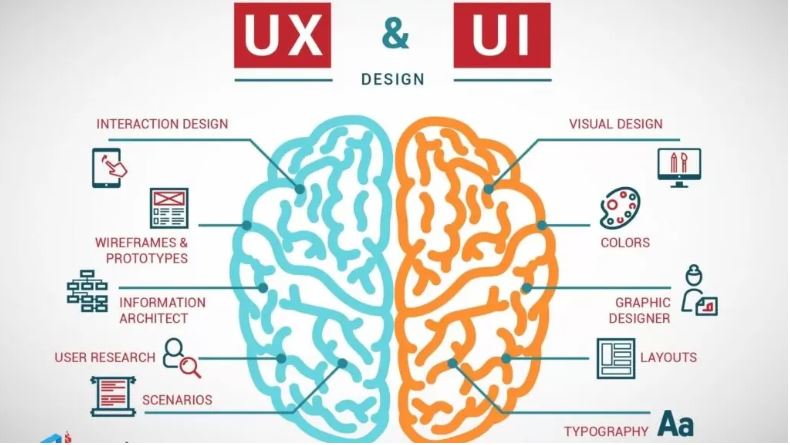
User experience (UX) encompasses a user’s interactions with a brand’s product or service. These interactions range from browsing a website to using a mobile app. UX focuses on the tasks that users perform for specific purposes and the experiences they have during these processes. Ease of access to information, a well-structured information architecture, clear and intuitive navigation, learning speed and visual design are key components of UX.

Neuromarketing techniques such as eye tracking and mobile EEG offer great advantages in analyzing UX and UI processes in more depth and understanding users’ conscious or unconscious reactions. These techniques can more objectively reveal how users interact with products or services, which features attract attention and where users experience difficulties.

Eye tracking involves a set of metrics that are usually integrated into software and automatically calculated in near real time. These metrics provide researchers with a detailed picture of where consumers are directing their attention. Using this data, marketers seek to gain important clues to understand both the conscious and unconscious responses of consumers to marketing messages or brand stimuli.

Eye tracking identifies which areas of a website or app attract users’ attention. For example, which button does a user look at first, or which part of a form does they get stuck on? This information enables the correct placement of critical elements, creating a more effective user experience. Eye tracking directly identifies where users struggle to perform a task. For example, if they struggle to find a button, this indicates visual complexity.

Mobile EEG measures users’ brain activity to understand their emotional reactions and cognitive processes during interaction with the product. Mobile EEG can measure a user’s cognitive load (how much mental effort it takes to complete a task). Lower cognitive load indicates a better user experience. Mobile EEG reveals users’ reactions that are not consciously expressed but can be measured by brain activity. This provides deeper and more objective data than traditional user research methods.

Techniques such as eye tracking and mobile EEG go beyond traditional UX and UR methods, allowing for in-depth analysis of users’ conscious and unconscious reactions. This creates an important basis for developing more effective, efficient and user-centered products.

Reference: Psychologist Merve Altındağ

Uyar, A., & Uyar, K. (2024). GÖZ İZLEME (EYE TRACKING) ANALİZ YÖNTEMİ İLE DOĞAL BAL TEMALI REKLAMLARIN ETKİNLİĞİNİN İNCELENMESİ. Uludağ Arıcılık Dergisi24(1), 126-141.

Hamurcu, A. (2014). Türkiye’de kullanıcı deneyimi tasarımının doğuşu ve gelişimi sürecinde endüstriyel tasarımcıların rolü. UTAK 2014 Bildiri Kitabı Eğitim, Araştırma, Meslek Ve Sosyal Sorumluluk,(10-12 Eylül 2014).

The Construction of Brand Equity from a Neuromarketing Perspective

Although the concept of brand has similar qualities for both consumers and producers, it has different meanings. Consumers and producers view the brand from different perspectives. While most of the time brand equity is analyzed from the consumer perspective, this study will present a different perspective by adding the producer’s perspective on brand equity to the consumer-based brand equity. Therefore, in addition to consumer-based brand equity, this study will also examine producer-based brand equity.

Brand equity is defined as all the values and liabilities that a product or service provides to firms or customers associated with the brand name or symbol. When the elements that make up brand equity are properly understood and effectively applied to the brand, a strong brand emerges.

As a result of marketing’s utilization of fields such as neurology, sociology and psychology, Marketing 4.0, or Neuromarketing, has emerged as a new trend. Neuromarketing is a field that brings together different disciplines – psychology, sociology, marketing and neurology. This discipline focuses on analyzing the “irrational” or “irrational” decisions that consumers make during the purchasing process. Consumers often make these irrational decisions based on emotional, impulsive factors and stimuli perceived by the five senses. Neuromarketing explains that not only rational but also irrational aspects of consumer behavior play an important role in the decision-making process. It uses brain imaging techniques to understand this.

Neuromarketing takes the interaction of brands with consumers beyond the five senses and explores the impact of sensory experiences on brand perception. For example, certain smells, sounds or colors can strengthen a consumer’s connection with a brand and increase brand equity. Emotions are at the heart of consumer decisions. Neuromarketing can help brands build strong emotional connections with consumers. Emotionally connected consumers are more loyal to the brand and perceptually increase its value. Design elements can trigger specific emotional responses in the brain. Neuromarketing helps to understand which design elements will increase brand equity. For example, minimalist designs inspire simplicity and trust, while rich color palettes can evoke vibrancy and energy. As a result, Neuromarketing strategies enable brands to not only predict consumer behavior, but also have the power to shape it.

Reference: Psychologist Merve Altındağ

Utkutuğ, Ç., & Alkibay, S. (2013). NÖROPAZARLAMA: REKLAM ETKİNLİĞİNİN PSİKOFİZYOLOJİK TEKNİKLERLE DEĞERLENDİRİLMESİ ÜZERİNE YAPILMIŞ ARAŞTIRMALARININ GÖZDEN GEÇİRİLMESİ. Hacettepe Üniversitesi İktisadi ve İdari Bilimler Fakültesi Dergisi31(2), 167-195.

Music and Neuromarketing

Neuro-Music

In this week’s blog post, we will talk about the intersection of neuromarketing and music, one of the most powerful ways of expressing oneself. Music has an important place in the field of neuromarketing as an effective means of expressing our emotions. In this article, we will examine how emotions expressed through music are used in neuromarketing strategies and how these two fields interact with each other.

Music creates a unique interaction in the human brain and deeply affects cognitive processes. By activating multiple regions of the brain simultaneously, it improves cognitive functions such as memory, attention and learning. In particular, melodies and rhythms trigger the release of dopamine, which is linked to the brain’s reward center, increasing feelings of pleasure, happiness and motivation. In addition, listening to music or playing an instrument promotes neuroplasticity and the formation of new neural connections. This interaction demonstrates why music is so important for the human brain, both in terms of emotional and cognitive development.

The collaboration between music and neuromarketing offers innovative opportunities to understand consumer behavior and strengthen marketing strategies. Music produced by artists can be made more enjoyable for listeners through neuromarketing techniques. By using neuromarketing methods, artists can better analyze the impact of their music on listeners and predict how their work will be received in the future. In places such as stores, restaurants or hotels, music selected based on neuromarketing analysis can improve the consumer experience and influence purchasing behavior. Neuromarketing can be used to analyze the emotional reactions in consumers’ brains while listening to music and determine which music evokes positive emotions towards products and services. Brands can create their own unique musical identity by determining which music genres have a positive impact on their target audience through neuromarketing research.

Collaboration between music and neuromarketing has great potential to understand emotional responses and optimize consumer experiences. By analyzing music with neuromarketing techniques, the emotional responses of listeners can be better predicted, allowing both artists and brands to deliver more effective and personalized content.

Reference: Psychologist Merve Altındağ

Torun, Ş. (2016). Müziğin Beynimizdeki Yolculuğu/The Journey of Music in Our Brains. Osmangazi Tıp Dergisi38(1).

Neuro-Cinema

Cinema is a multi-layered art form that can affect our neuropsychological structure in various ways. Research has shown that different parts of our brain are activated while watching a movie, and as a result, the movie mimics the structure of consciousness. This imitation of consciousness makes it possible for cinema to have a profound effect on the human mind. The nature of these effects through cinema and how they occur is one of the main research topics of the emerging field of neuro cinema.

Neuromarketing (the intersection of neuroscience and marketing) and cinema can form a strong collaboration because they are both disciplines with the ability to capture audiences’ attention, create emotional connections and influence their decision-making processes. Audience behavior data obtained through neuromarketing can be used to improve movie recommendation algorithms on digital platforms or to provide audience-specific marketing content. Offering personalized experiences based on the audience’s interests and emotional reactions can increase audience loyalty. Choosing the right music and visual aesthetics plays a critical role in maximizing the cinematic impact of a scene.

Music is a powerful tool in directing the audience’s emotional responses and shaping the atmosphere. In particular, the music used in a movie can appeal to the viewer’s unconscious and trigger certain emotions while setting the tempo of the scene. For example, a slow piano melody can make a dramatic scene more emotional and melancholic, while up-tempo, rhythmic music can increase the audience’s excitement in suspense or action scenes. Color palettes and visual aesthetics also have a powerful impact on the viewer’s subconscious. Shades of red often evoke intense emotions such as danger, passion or anger, while cool blues and grays can evoke melancholy, loneliness or mystery.

Neuromarketing techniques can measure how audiences react emotionally to these types of visual elements, enabling the use of the right color tones and lighting techniques to enhance the psychological impact of a scene. Using neuromarketing data, scenes can be structured in a more nuanced way by measuring the audience’s brain responses to visual and auditory elements. For example, eye tracking technology can be used to measure the impact of a movie trailer on the viewer; by analyzing which scenes the viewer focuses their eyes more or which colors attract their attention, the trailer can be made more remarkable and emotional.

Reference: Psychologist Merve Altındağ

Demirtaş, H. (2022). Filmleri nasıl algılar ve hissederiz: ayna nöronlar, empati ve sinemada özdeşleşme. İletişim psikolojisi içinde, 93-111.

Abbasova, N. (2021). Sinemada yeni bir boyut: Nörosinema ve” Molly’s Game” filminin analizi (Doctoral dissertation, Yüksek Lisans Tezi, İstanbul Üniversitesi Sosyal Bilimler Enstitüsü, Radyo Tv Sinema Anabilim Dalı. İstanbul).

NEURO-MODA

Hello, in this week’s blog post, I’m going to talk about an innovative field that you may have never heard of before, or maybe you don’t even know if it exists: Neuro fashion. So, what is neuro fashion and how can we bring these two important fields together? What can we do by combining neuroscience and fashion? In this article, we will explore the potential of this extraordinary field and offer ideas on what might be possible in the future. If you are ready, let’s step into the world of neuro fashion!

The world of fashion is much more than just an industry of clothes and accessories; it is a powerful means of expression that reflects the identity, culture and values of societies. In every period of human history, fashion has been a force that has shaped social structures, allowed individuals to express themselves and even shaped social changes. The importance of fashion lies in the way individuals express themselves. The way a person dresses is the message they give to the outside world; it reflects their character, beliefs, mood and even their vision of the future. Each piece of clothing, consciously or unconsciously, tells who a person is and how they want to be perceived.

The field of neuro fashion can be an innovative field that combines neuroscience and fashion design. It could aim to develop personalized fashion products and styles by analyzing people’s brain structure, neurological responses and psychological states. For example, the clothes and colors to be worn for job interviews, romantic dates, and important meetings can be analyzed with neuromarketing tools to make it easier for people to express themselves. Again, clothing and accessories that can measure stress levels, detect mood or help improve an individual’s mental health can be designed.

Personalized designs will stand out here. By choosing the most appropriate colors, patterns and textures according to the neurological structure of individuals, clothes can be designed to suit their mood and personality. Furthermore, smart fabrics and sensors can collect data on neurological health, which can be used for early diagnosis or individual health monitoring. Clothing that monitors brain waves and adjusts itself accordingly can help with neurological goals such as meditation, relaxation or increased energy.

The intersection of these two important fields creates a unique and innovative field. As we better understand and explore the human brain, we will witness neuromarketing permeate every aspect of our lives. See you next week!

Reference: Psychologist Merve Altındağ