Journey to Brand Essence with EMONET

The most striking feature of physical and neurological research is that it can scientifically measure the emotional response of consumers to marketing arguments, brands and products. Since such researches provide scientific results within 95% reliability limits, they are safely used in measuring consumers’ unconscious perceptions, tastes, preferences, reactions and purchasing tendencies.

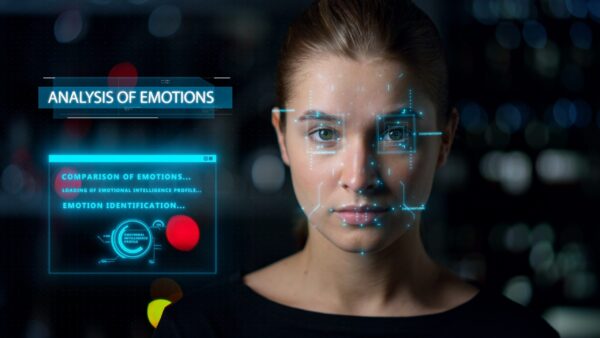
Especially since the pandemic outbreak, online methods have clearly come to the fore and gained the upper hand in the field of research, as in every field. EMONET, the Online Emotional State method, has the ability to measure remotely without sensors and is an excellent technology because it can be applied via laptops and mobile phones. It is practical as it does not take participants away from their natural environment and has the ability to be performed in a short time.

While the responses from the central and autonomic nervous system are measured by facial muscle movements, the amount of blood flow in the forehead and the size of the pupils are physiological measurement parameters used in EMONET analysis. Thus, understanding how the participant reacts to which stimulus confirms the wise saying that “we know a person by their face”.

Taking reliable and appropriate actions by utilizing the insights obtained from qualitative interviews conducted simultaneously with neurological and physical measurements in the EMONET method saves brands from creating faulty marketing and communication strategies.

EMONET STUDY: We briefly summarize below what the ‘BRAND PERCEPTION with EMONET’ Research conducted by NeuroMark for a Men’s Clothing Brand has brought to the Brand;

An EMONET Emotional State study was carried out with Group Discussions to measure the emotions towards the brand to create a new Concept by revealing brand values, associations and concepts and to select the appropriate ones for the brand from the new brand concepts and visuals discovered.

The following findings were obtained as a result of the study:

Insights for Menswear Brand: 

– Be a menswear brand, not a suit brand…

– Make men aware that there are products other than suits…

– Women and social media have an impact on menswear…

– It’s a social norm to dress according to the occazion…

– Weekend means freedom, dress according to your mood…

– Remember that comfort is synonymous with menswear…

– Customers and the industry have completely different definitions of clothing style…

The results of physical and neurological measurements: 

– The concepts most associated with the brand are ‘modern, casual, classic, innovative, young’.

o The concept of MODERN should always be there because it gives happiness.

o The concept of CASUAL cannot concentrate on any emotion.

o The concept of CLASSIC creates boredom.

o The concept of INNOVATIVE is very important because it creates excitement.

o The concept of YOUNG is especially desired by adult men.

Proposed and realized actions:

– Use the concepts and visuals we suggested in the new brand concept because they evoke positive emotions.

– Designing campaigns with a sense of innovation and emphasizing modernity to increase customer frequency.

– Engaging with young people and youth.

– Increasing synergy.

– Focusing on strategies that will turn brand awareness into purchasing.

– Utilizing social media opportunities.

– Using the brand face that is most compatible with the brand.

References:

o NeuroMark ‘BRAND PERCEPTION with EMONET’ study

o I would like to thank dear Alev Bayrak, one of the most miraculous moderators and qualitative project managers I have ever known, for giving me permission to publish parts of the research we conducted together in this article.

Simin Demiriş

Taste Test with Emonet

“TASTE is a unique sense”

Taste is our most important sense that determines the pleasantness and acceptability of food and drinks. The taste components of what we eat and drink consist of different combinations of five basic tastes with different qualities.

We can only define taste by categorizing it: “Bitter, Sour, Sweet, Salty, Umami”

These categories are called “qualities of taste”.

The most important question is how these taste qualities are represented in the brain and emotionally?

Physiological, socio-cultural and psychological factors determine individuals’ food consumption and consequently their perception of taste. Considering these criteria, brands want to know what influences people’s food preferences. In obtaining this information, learning the emotions that guide people’s behavior comes to the fore. In previous Facial Emotion Matching studies, facial images taken on a second-by-second basis while eating were not reliable in terms of muscle movements, and facial images taken before, during and after eating were well below the 95% reliability limits. 

– TASTE TESTING with EMONET INTRODUCES A NEW Era!

In the online EMONET method, the groundbreaking technology of NeuroMark as Emotional State Analysis, the person’s face and emotion are mapped against the stimulus or stimuli presented. Using this technique, consumers’ unconscious perceptions, tastes, preferences, reactions and purchasing tendencies are scientifically measured. In the EMONET method, neurological and physiological responses from the central and autonomic nervous systems are reflected and analyzed through blood flow, pupils and facial muscle movements.

In the TASTE TEST study conducted with EMONET, the target audience’s true feelings about the taste of the ‘Product/Brand’ are determined on the basis of 5 emotions. It is learned whether the product/brand has a taste that arouses excitement, is liked and creates positive/negative emotions. The detected emotions become 95% reliable as a result of the personalization work applied in the study.

The feasibility of this test requires a very careful and meticulous design of the Experimental Design. Since EMONET is a physiological and neurological measurement, the eating habits and personal characteristics of the participants should be prioritized.

The TASTE TEST with EMONET method opens the doors of the neuromarketing world to brands in the food sector. This method offers the opportunity to look at the consumer world from a scientific perspective that deciphers emotions by shedding light on the dark parts of consumer preferences and behaviors on the Journey of Taste.

3 Steps to Build Brand Image

The main purpose of Research Companies like us is to help ‘Brands’ to formulate the most appropriate marketing strategy for their customers in the context of planning, organization and control in changing market conditions.

Our goals for the Brands we work with are generally listed as follows:

Analyzing the brand and consumer relationship

Uncovering the (+) and (-) values of the brand

Turning negative brand perceptions into positive ones

Encouraging teamwork

Providing the right psychological environment

To use the results of the research in the formulation of future strategies different from the situation analysis

The way to achieve all these goals is through conducting Brand Image Research. This is a study that has emerged due to the similarities between brands. In this study, by transferring the personality traits of individuals to brands, brands are differentiated from each other, that is, an image is created for each brand.

Let’s take a look at the stages of Brand Image research together:

Physical and Emotional Expectations: When creating a brand personality, the characteristics, needs and expectations of the target audience should be well analyzed. When user expectations about the product are well analyzed, the brand’s job becomes much easier. These expectations are categorized as concrete and abstract.

Free Association: The first emotions and concepts that users think of when defining the brand are revealed and a road map is prepared for the Brand in the product category in question.

Brand Personification: Through personalization studies, it is understood which emotions consumers feel towards the brand and how they see the brand. The strengths and weaknesses of the brand from the consumer’s perspective are identified.  

Based on Functional Benefits: The functional benefits that the brand provides to the consumer are revealed.

Based on Emotional Benefits: The emotions that consuming or using the brand will make the individual feel are analyzed.

Based on Social Benefits: The benefits that the brand will offer to the individual in the social field are determined.

Consumer Brand Relationship: The relationship between the consumer and the brand is very important. When they come together, the consumer should see the brand close to them and even feel similarities with their personality. When this relationship model is established, the consumer’s bond with the brand is strengthened, loyalty is ensured and it becomes easier for the brand to achieve its goals.

3 Advantages of Creating Brand Image in 3 Steps:

1- Increasing sales and market share

Ensure and increase brand awareness and recognition

Attracting potential consumers to point of sales

Ensuring and increasing existing customer loyalty

Providing a better customer service experience

2- Ensuring the creation of communication objectives

Targeted consumer response

Swot Analysis

Brand personality i.e. Tone of Voice

Brand Positioning

Social media, Mass media and Activities

3- Improving the quality of its employees

Making a difference

Gaining prestige

“Brands that speak to the heart create the magic that does more than fill a need in a consumer’s life. ” David Aaker.

Why not take a closer look at our brain to improve your strategies?

Let’s start with the primitive brain;

It is 500 million years old. The process of evaluating information is fast but limited. There is no cognitive thinking, reading or writing. There is very simple math, alertness, intuition, acting on emotions and managing short-acting movements. It can only manage the present time. The level of consciousness is low. Control capacity is low.

As for the New Brain;

It is 5 million years old. It evaluates information slowly but intelligently. There is reading, thinking and writing. It has complex math, prediction, risk assessment, approval of actions. It is cognitive. Time perception is past, present and future. The level of consciousness is high. Control capacity is medium-high.

SO WHAT DOES OUR BRAIN LIKE?

While each area of our brain has different characteristics, the reflections of these areas on people’s emotions and behaviors also differ. Did you know that the left brain likes laws, the right brain likes authority and the forebrain likes people?

It is a myth that you only use 10 percent of your brain. (Yes, even when you sleep.) Neuroscience studies confirm that your brain is always active.

The human brain can generate about 23 watts (enough to power a light bulb). All this power requires a much-needed rest. Adequate sleep helps maintain the pathways in your brain. In addition, sleep deprivation can increase the buildup of a protein in your brain linked to Alzheimer’s disease.

Learning new things increases gray matter in the brain. The new information we learn makes new connections between neurons in our brain, which then increases the visible gray matter in our brain.

Emotions can change our brain chemistry. The chemical reactions triggered by emotions can be physically seen in fMRI scans and gray matter studies.

On average, we produce 50,000-70,000 thoughts a day. Sadly, the majority of thoughts (estimated 60-70 percent) are negative. We can learn to manage our mind. How to meditate? Advanced meditation techniques can lead to permanent changes in our mindset. It is possible to learn to think positively.

The human brain always tries to return a favor. This is not just etiquette – the “reciprocity rule” shows that we are programmed to help someone who helps us. This feature of our brains has probably evolved over time, because people need to help each other to keep society running smoothly.

About 95% of the decisions are unconscious made. That is, we make decisions without knowing what we are doing, why we are doing it, relying on our past experiences, without analyzing them in detail. This means that the vast majority of our actions and behaviors happen because of our brain activity, beyond our conscious awareness.

Our favorite topic is talking about ourselves. Don’t blame anyone for talking about themselves. Talking about oneself is the way one’s brain is wired. According to a Harvard study, our brain’s reward centers light up more when we talk about ourselves than when we talk about others.

Our brain loves simplicity. If you want people to understand and believe you, use simple language and repeat it. Remember that familiarity increases liking.

Narrativize your statements. The brain likes storytelling and initiates empathy.

REMEMBER:

“We are not thinking machines that feel, we are feeling machines that think” Antonio Demassio

Source: Dr. Bora Küçükyazıcı

Brain Center

Simin Demiriş

Marketing and Society: Ethics

The last 10 years have seen an explosion of interest in the impact of various marketing activities on society, with a particular focus on ethical issues within marketing. This interest has not been limited to marketing research, but has also involved disciplines such as communication, sociology, politics, psychology and neuroscience.

Today, Brands are turning to long-term research and policy to build long-term relationships with their consumers and ensure their loyalty. Since the brand-consumer relationship is seen as a long-term communication, the focus is on issues such as Brand Awareness and Trust, Customer Satisfaction and Customer Loyalty. When it comes to these concepts and objectives, ‘ethical behavior’ comes to the fore. Brands are expected to act ethically in the following 3 areas of marketing.

Ethical rules related to the product

Price-related ethical rules

Ethical rules regarding promotional activities

The concept of ethics is directly related to Neuroscience, which has become increasingly influential in recent years and has emerged as a result of the coordinated work of the fields of psychology, psychiatry, neurology, biology and engineering. Neuroscience is at the forefront of research examining the decision-making processes, social interaction and emotions of the human brain. Neuromarketing, which is under the title of Social Neuroscience, is the utilization of techniques in neuroscience to understand the response of human brain to marketing stimuli. Its main purpose is to better understand  and predict the unconscious behavior of consumers.

 Important factors that constitute the ethics of neuromarketing;

The right tools, techniques and methods used in neuromarketing imaging,

Accurate measurement,

Correct sample size,

Correct analysis,

Precise and reliable statistical information.

Neuromarketing is an ethical method that uses technology to analyze consumer buying behaviors and provide brands with highly reliable statistical data based on these analyses.

When neuromarketing practices are carried out by the right people, i.e. neuroscience experts, and for the right purposes, it is clear that neuromarketing practices are scientifically important for the marketing world in accordance with ethical rules. As a result, it offers the opportunity to look at the consumer world from a broad perspective by shedding light on the parts that remain in the dark in consumer attitudes and behaviors.  Neuromarketing research completes the missing part of the puzzle and enables strategic marketing decisions to be made clearly and precisely on a scientific and ethical basis!

Reference

What is ‘neuromarketing’? A discussion and agenda for future research

Nick Lee ⁎, Amanda J. Broderick, Laura Chamberlain

Marketing Group, Aston Business School, Aston University, UK

Received 1 February 2006; received in revised form 1 March 2006; accepted 30 March 2006

You, Me and Our Hormones

Our ‘hormones’, which we think play a major role in the positive and negative events that happen to us throughout our lives, are our body’s internal stabilizers. Neural control centers in the brain influence the body glands to produce and secrete hormones necessary for maintaining vital balance. The body glands respond to imbalances in the body by increasing or decreasing hormone production.

Body glands, in other words hormones, are of particular interest to neurologists and neuromarketers in two aspects.

Since emotions and behaviours are influenced by hormones, people’s moods are constantly in a state of great flux. In light of this reality, neurological studies should be conducted with people if real human behaviour is to be seen in neuromarketing studies. Because even if we only consider hormones, the human sample is very valuable in neurological measurements.

In neuromarketing studies, it is thought that certain hormones are particularly effective in the emotions that occur against verbal or visual stimuli that people encounter. These hormones are Dopamine, Serotonin, Endorphin and Oxytocin. This is because these hormones are responsible for our emotions as well as critical bodily functions. Emotions and hormones are intricately linked.

Dopamine: This hormone plays a role in controlling our mood. Experts state that fifty percent of dopamine is produced in the intestines.

Serotonin: This hormone plays an important role in regulating our mood and is responsible for our feeling of happiness.

Endorphin: The function of this hormone is to relieve pain, reduce the impact of suffering, and provide a sense of well-being when we engage in behaviours that the brain perceives as appropriate. This hormone is linked to the natural reward circuit.

Oxytocin: We associate this hormone with love, passion, sexuality, the need to be valued, the feeling of motherhood. This hormone is associated with a sense of trust and enables people to make positive decisions. The appearance of this hormone makes people more empathetic, generous, benevolent and helpful. According to experiments, when the level of this hormone is increased, people make higher financial donations and become more sharing.

” Hormones were as potent as whiskey and twice as sneaky. – Linda Howard

“I can be a little cranky. I’m full of anxiety and hormones.” – Nicholas Hoult

“Hormones are very powerful things. We are helpless in their wake. – Meg Cabot

“A pure heart and mind can only take you so far, and sooner or later hormones have their say. – Jim Butcher

Reference

Rita Carter, Paul J. Zak, Intranasal Oxytocin: Myths and Delusions, In Biological Psychiatry, Dr. Kıvılcım Kayabalı

Steve Jobs and Tactics to Win Customers

A story on the Inbound Sales Network highlights what Steve Jobs, the genius of marketing, was paying attention to during Apple’s branding process. Steve Jobs’ experiences shed light on B2B marketing experts.

Steve Jobs, the founder of Apple, a technology brand famous for its unique designs, succumbed to pancreatic cancer and passed away. But he left behind important tips for marketing experts who want their brand to shine with sparkle like himself. How to reach new customers? How to give the right message to customers? How and in what way is it possible to reach them? How to create a good image of the brand in the consumer’s mind? The answers to these questions are hidden in Steve Jobs’ tactics.

Steve Jobs’ philosophy at Apple has always been to achieve success by developing simpler and easier-to-use products and using new technologies and marketing channels.

Apple is among the companies that use Search Engine Optimization (SEO) effectively because of the importance it places on finding potential customers. Many marketing experts think that these methods are unimportant for their products and customers. But they are sorely mistaken.

For marketing professionals who want to take advantage of Steve Jobs’ legacy, we have outlined the key points and tactics to attract customers to the brand.

Customers’ expectations come first!

Known as a marketing genius, Steve Jobs marketed not only products to the consumer, but also the dreams they would embrace. Customers generally prefer products that make life easier and add value. For this reason, Steve Jobs focused not only on the functional features of the products, but also on the benefits they provided to the consumer. Dedicated to Apple, Steve Jobs believed that his products would make the world a better place. Steve Jobs, who eliminated the problems he encountered at Apple with his ability to produce solutions, knew his customers well. Because he knew that understanding the customer was the beginning of everything.

Messages must be clear and simple

When Steve Jobs introduced the MacBook Air in 2008, he prepared a simple and easy-to-remember presentation. The presentation was characterized by memorable visuals rather than text. After the presentation, attendees remembered the MacBook Air for being the world’s thinnest computer. In their book “Conversations That Win the Complex Sale”, Tim Riesterer and Erik Peterson of Corparate Visions, Apple’s corporate communications company, explain that using large visuals to make a complex message more understandable can be very useful. When using these visuals, three steps should be considered;

1)      Images should be relevant to customers’ problems,

2)      With the visual you show, you should create clarity in the customer’s mind and eliminate question marks.

3)      To increase the impact of the image, you should use metaphor to emphasize the message more strongly.

Customers should intuitively buy the product.

Steve Jobs worked with the best engineers for the iPhone. The features of the iPhone were thought out to the finest detail, which is why it appealed to the consumer and won them over. The product was high quality and the design was simple. Apple’s team of designers and engineers took into account every suggestion from consumers.  They also used them to strategize for potential customers.

The human mind is much more complex than meets the eye. We perceive more than we comprehend and forget more than we remember. But what we think is lost is stored deep in our minds. Intuition is the ability to make connections with data that does not rise to the level of consciousness. Intuition is being able to follow the emotional traces of past experiences. The brands that discover these traces and ensure that their products are purchased are the ones that have the ability to exist, grow and develop for many years.

“Intuitive reason is a sacred gift and rational reason is a faithful slave. We have created a society that forgets the gift and honors the slave.” – Einstein

Emotions and Neuromarketing

The human brain is unique, unlike anything else, even its attractiveness compared to other organs can be questioned. But the greatest structure in the universe is neither black holes nor celestial dynamics… it is the “human brain”. The operating system performance of this 1400 mg average hardware has not yet been achieved, let alone approached.

Experiences

Our brain keeps us ready to respond to what we see and hear – the world around us. The brain is at the center of vast and complex communication networks that constantly gather information from both the outside world and our bodies. As it interprets this information, it creates experiences. It is not known exactly how the electrical activity in our brain translates into experience, but the role of our sensory organs in this process is clear. Each sense organ is specialized to deal with a different type of stimulus. For example, the eyes are sensitive to light and the ears to sound waves. The signals from the sensory organs are processed by the brain which determines what kind of experience they will produce. Our experiences are the cornerstone of our behavior. Our behavioral responses to the stimuli we feel with our five senses are the combined response of our central and autonomic nervous system.  

Today, neuroscience is used to scientifically uncover certain basic emotions by physiologically and neurologically measuring our brain’s behavioral responses. Neuroscience today is at the forefront of research into the human brain’s decision-making processes, social interaction and emotions. In this context, neuromarketing, a sub-branch of social neuroscience, offers a new window into the world of marketing. The most striking feature of neuromarketing research is its ability to measure the emotional response of consumers to brands and products within the boundaries of science. While the emotional dimension that drives the behavioral dimension comes to the forefront in the communication that brands establish with their customers, traditional research methods are insufficient to accurately measure the emotional dimension scientifically.

Why Neuromarketing?

The importance of expressing emotions is that people are interdependent on each other and what one person does necessarily affects the others. Therefore, it is very important and necessary to understand each other’s emotions within society.  In the world of marketing, it is certain that brands need to understand and recognize the emotions of their current or potential consumers. For the objective measurement of an emotion, it is clear that there is a need to turn to neuromarketing beyond conventional techniques.

Truths About Neuromarketing

Cognitive Neuroscience and Neuromarketing

Neuroscience has been developing at an ever-increasing pace in recent years, illuminating the complex mental and emotional processes of the brain. In this context, Electroencephalogram (EEG, brain electrical activity) and functional Magnetic Resonance Imaging (fMRI, brain blood circulation) methods, which allow the measurement of brain activity without causing any pain or damage to the subject, are important scientific tools. Over the last 20 years, thousands of studies conducted with both methods in normal healthy individuals have generated a significant body of knowledge on the biological mechanisms underlying the brain’s processes of attention, perception, learning, emotional arousal and decision-making (cognition). The fields of neuro-economics and neuromarketing are emerging applications of this knowledge.

Both methods have significant advantages over implicit discourse and indirect measurement methods based on eye movements or facial gestures. While implicit discourse and indirect measures often do not yield reliable results due to differences in the capacity of individuals to express their mental processes and are significantly influenced by the interviewer or the interview setting, the underlying neuroscientific measures, which reflect the various stages of the perception process, are independent of such external influences. As such, they offer a new scientific window into understanding consumer behavior and its underlying causes.

However, the main point to be considered when applying the data provided by neuroscience to applied fields such as neuromarketing is that the measurements should be carried out with the seriousness and precision of scientific research.

EEG Measurement Technology

Today, the introduction of devices that measure EEG signals with cheap circuits and that can be easily used by any user, mostly for purposes such as managing game consoles with brain waves, has paved the way for groups without expertise in EEG to operate in the field of neuromarketing with such devices with very low measurement accuracy. However, there are many studies and scientific publications showing that these devices do not provide reliable measurements of EEG signals. Our experience is that the signal-to-noise ratio of these devices does not allow us to obtain findings that we can easily obtain with research/medical grade devices. More importantly, the scores such as engagement, excitement, frustration, etc. that these devices produce from the EEG signal for gaming purposes have no scientific validity. Nevertheless, these scores are used for neuro-marketing purposes.

Furthermore, the EEG signal is easily contaminated by much larger electrical activity from sources such as head muscles, eye movements, etc. Since no algorithm has yet been developed to reliably eliminate such noise automatically, the measurements must be reviewed by a Cognitive Neuroscience expert to remove these artifacts before analysis.

Event-related Brain potentials (ERP)

An important shortcoming/error in the widespread neuromarketing practices is that a scientific measurement requires an experimental design based on a hypothesis. Without any hypothesis/experiment design to obtain reliable information about the brain, the results that can be obtained by measuring on-going brain activity (on-going EEG) while a person is making observations similar to those during daily life (e.g. watching an advertising video) have very limited power. Such measurements can only provide a rough indication of a person’s level of alertness, emotional arousal and stress.

On the other hand, by repeating static visual or auditory stimuli derived from EEG and presented within the framework of an experimental design many times and analyzing the EEG signals obtained in temporal relation to them, it is possible to measure the brain’s responses to these stimuli specifically. These measurement techniques are called event-related potentials (ERPs) and event-related oscillations (EROs). These methods enable highly accurate measurements of the brain’s mental processes such as attention, memory storage, retrieval, semantic processing and decision-making in response to specific stimuli. The great success of Cognitive Neuroscience in the last 20 years is based on this measurement methodology.

In order to effectively apply ERP and ERO methods to market research, the marketing question must first be defined in the best possible way, an appropriate experimental design must be developed, measurements must be taken by expert researchers with reliable instruments, noise must be removed, and the results must be interpreted by sophisticated analysis methods. In this context, market researchers and neuroscientists need to work together in close contact.

The most important gains of this method, which is much more comprehensive and laborious than the common approach in practice, can be summarized in the following two points:

The findings are not open to speculation and interpretation, but are presented within the limits of scientific prescription and statistical significance. When it comes to major conceptual steps, such as the development of a new marketing strategy, it enables the reliance on data whose reliability has been rigorously tested.

The range of questions that can be addressed within the framework of in-depth preliminary work with the marketing team is vast. In this context, instead of simply answering a simple question, such as the extent to which an advertising video or package design stimulates a person, which is often open to interpretation, it is possible to answer much more specific conceptual questions, such as what associations the product makes in the consumer’s mind, what is the appropriate brand slogan on which to base a marketing strategy, in what ways the product is perceived to be different from alternative products, and in what way this difference exists.

Kaynak: Prof. Dr. Tamer Demiralp, İstanbul Üniversitesi, İstanbul Tıp Fakültesi, Fizyoloji Anabilim Dalı